- A season with fewer predicted storms does not mean low risk. The threat of a direct, devastating hit to the U.S. remains dangerously high.
- Storms can form rapidly, very close to the coastline in warm waters, giving affected communities less than 48 hours to prepare or evacuate.
- Forecasts predict two to four major hurricanes (at least Category 3 or higher), which are capable of causing severe structural damage.
- Complacency is dangerous. Critical steps like buying flood insurance require a 30-day waiting period, so action must be taken immediately, well before any storm forms.
- Key hurricane preparations include making an evacuation plan, assembling disaster supplies, securing adequate insurance (including separate flood insurance), creating a family communication plan and fortifying your home.
How to prepare for hurricane season: A critical guide
Waiting until a storm is churning in the Gulf or barreling up the coast is a recipe for failure. Shelves are empty, gas stations see long lines and critical insurance deadlines are missed. The following steps, urged by preparedness officials, should be taken immediately.Develop an evacuation plan
If you live in a hurricane-prone area, you must know where you will go and how you will get there. Your destination need not be far, and heading to a friend or relative’s sturdy home outside of flood zones is sufficient. Plan multiple routes inland. If you do not have a vehicle, contact local officials now to learn about public transportation options during an evacuation. Do not forget to plan for your pets.Assemble disaster supplies
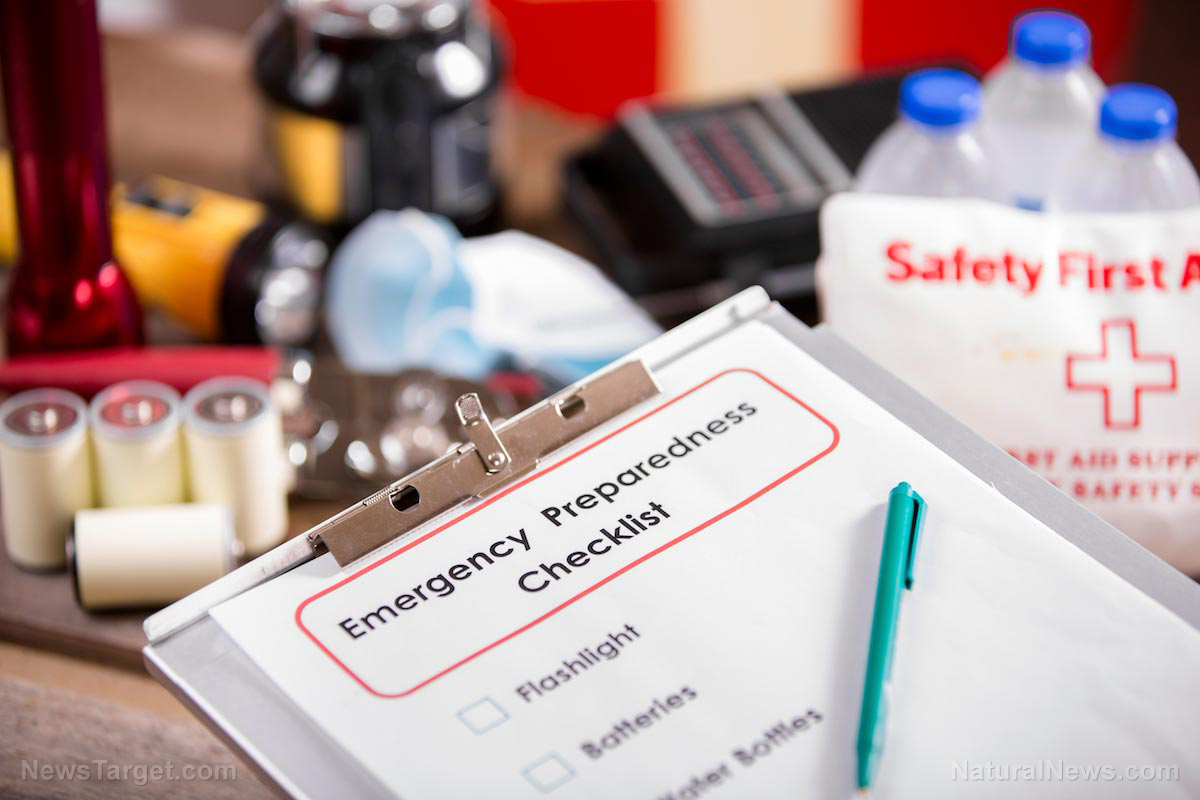
Whether you evacuate or shelter in place, you will need supplies to survive the storm and its potentially lengthy aftermath. Gather a minimum three-day supply of non-perishable food, water and medicine per person. Aim for a longer water supply if possible. Assume power and water could be out for weeks. Your kit must also include extra cash, battery-powered flashlights and radio and a portable crank or solar charger for cell phones.Get an insurance checkup and document your possessions
Call your insurance agent for a checkup to ensure you have adequate coverage to repair or replace your home and belongings. Critically, remember that standard homeowners and renters insurance does not cover flood damage. A separate flood insurance policy is essential, and it requires a 30-day waiting period before it takes effect, making immediate action imperative. Additionally, document your possessions now with photos and serial numbers to streamline any future claims.Create a communication plan
Write down your hurricane plan and share it with your family. Designate meeting places, including one out of town in case of evacuation. On paper, list emergency contacts, including utilities and critical services, as internet access will likely be unavailable during and after a major storm.Fortify your home
Take steps now to make your home more resilient. Trim trees, install storm shutters or impact glass and seal openings in exterior walls. The garage door is often the most vulnerable point; it must be reinforced to withstand hurricane-force winds. Renters must work with landlords on these preparations. Purchase plywood or metal panels now so you are ready to board up windows if a storm threatens. The official hurricane season runs from June 1 through Nov. 30, but the most dangerous storms can form outside these dates. The best time to prepare has already arrived. The forecasts are clear: the threat is real and elevated. Taking these steps today is not an overreaction; it is the only rational response to a persistent and deadly natural threat. Watch this clip about hurricane myths and useful lessons from Hurricane Ian and Florida. This video is from the alltheworldsastage channel on Brighteon.com. Sources include: DailyMail.co.uk NOAA.gov BrightU.ai Brighteon.com
Iranian Leader Warns of Prolonged Conflict Ahead of Trump Address
By Garrison Vance // Share

Russia Expands Gasoline Export Ban, Faces Major Oil Outages Due to Drone Strikes
By Garrison Vance // Share


Chemical Exposures from Common Cookware Identified, Alternatives Suggested by Industry Experts
By Coco Somers // Share

The dark truth: Why your emergency lighting plan is probably inadequate
By HRS Editors // Share

Iran Ceasefire Claims Questioned as Hardline IRGC Figure Gains Influence
By Garrison Vance // Share
The USDA's $8 Billion Farmer Bailout Is Communism Disguised as Relief
By healthranger // Share


Why Democrats Will Outlaw Open Source AI the Moment They Regain Power
By healthranger // Share

Could your sugar habit be reshaping your mouth's ecosystem?
By willowt // Share

Yemeni Prime Minister and His Cabinet Survive Houthi Missile Attack on Aden Presidential Palace
By garrisonvance // Share