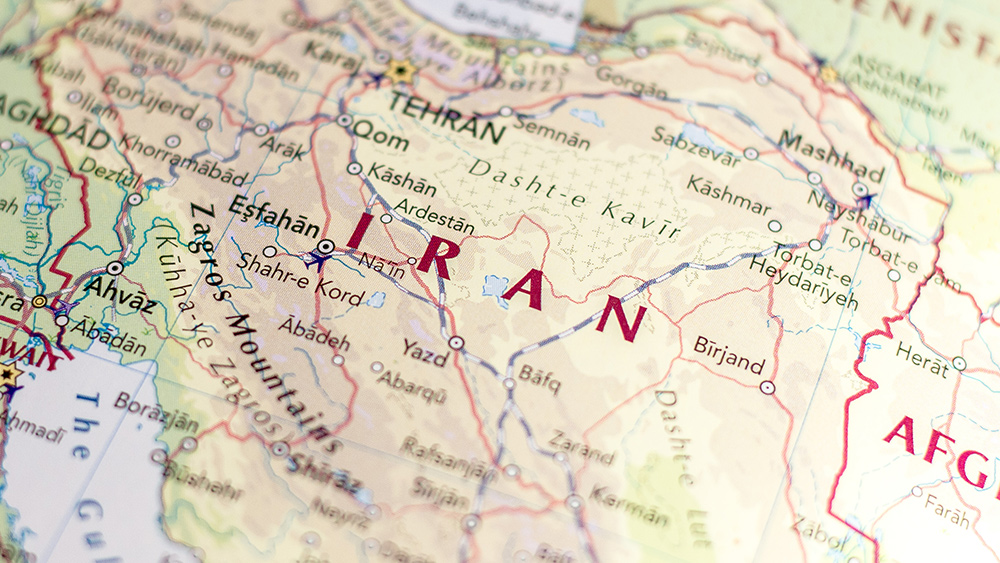
- Iran's new hardline leadership is openly debating pursuing nuclear weapons.
- The regime claims to have mobilized one million troops against a potential U.S. invasion.
- Iran has rejected a U.S.-backed ceasefire, making a diplomatic deal unlikely.
- President Trump has temporarily paused threatened attacks on Iranian energy plants.
- The conflict is escalating global energy costs and risks a major ground war.
A history of miscalculation
The current crisis carries chilling echoes of past conflicts built on intelligence failures and maximalist demands. The trajectory risks repeating a cycle of escalation where perceived threats, whether fully substantiated or not, justify increasingly severe military action. The Iranian regime’s newfound willingness to flout nuclear taboos suggests it believes it has little left to lose, transforming a regional war into a potential global proliferation crisis.The human and strategic cost
The human toll continues to mount. The Iranian Red Crescent reports at least 1,900 people killed and 20,000 injured within Iran since the war began. Global markets reel from energy supply disruptions, with the Philippines becoming the first country to declare a state of emergency over soaring fuel prices. U.S. military planners warn that any ground operation would risk significant American casualties, while Iran itself has invoked the specter of another Vietnam, vowing that any boots on the ground would be met with a grinding, unwinnable resistance. With diplomacy stalling, nuclear taboos eroding, and a global energy crisis already rippling from Manila to sub-Saharan Africa, a conflict that began as a regional military campaign is threatening to evolve into something far more dangerous... and far harder to stop. Sources for this article include: DailyMail.co.uk CNN.com AlJazeera.com
Oil prices surge past $111 as Trump’s deadline for Iran to reopen Strait of Hormuz nears
By Cassie B. // Share
Last-ditch 45-day truce talks fail as Iran rejects US ceasefire demands
By Lance D Johnson // Share

Iranian Leader Warns of Prolonged Conflict Ahead of Trump Address
By Garrison Vance // Share

The Psychological War on Our Children: The globalist plan to erase reality
By Ramon Tomey // Share

White House To Submit $1.5 Trillion Military Budget Proposal Amid Iran Conflict
By Garrison Vance // Share
Russia Expands Gasoline Export Ban, Faces Major Oil Outages Due to Drone Strikes
By Garrison Vance // Share

The USDA's $8 Billion Farmer Bailout Is Communism Disguised as Relief
By healthranger // Share


Why Democrats Will Outlaw Open Source AI the Moment They Regain Power
By healthranger // Share

Could your sugar habit be reshaping your mouth's ecosystem?
By willowt // Share
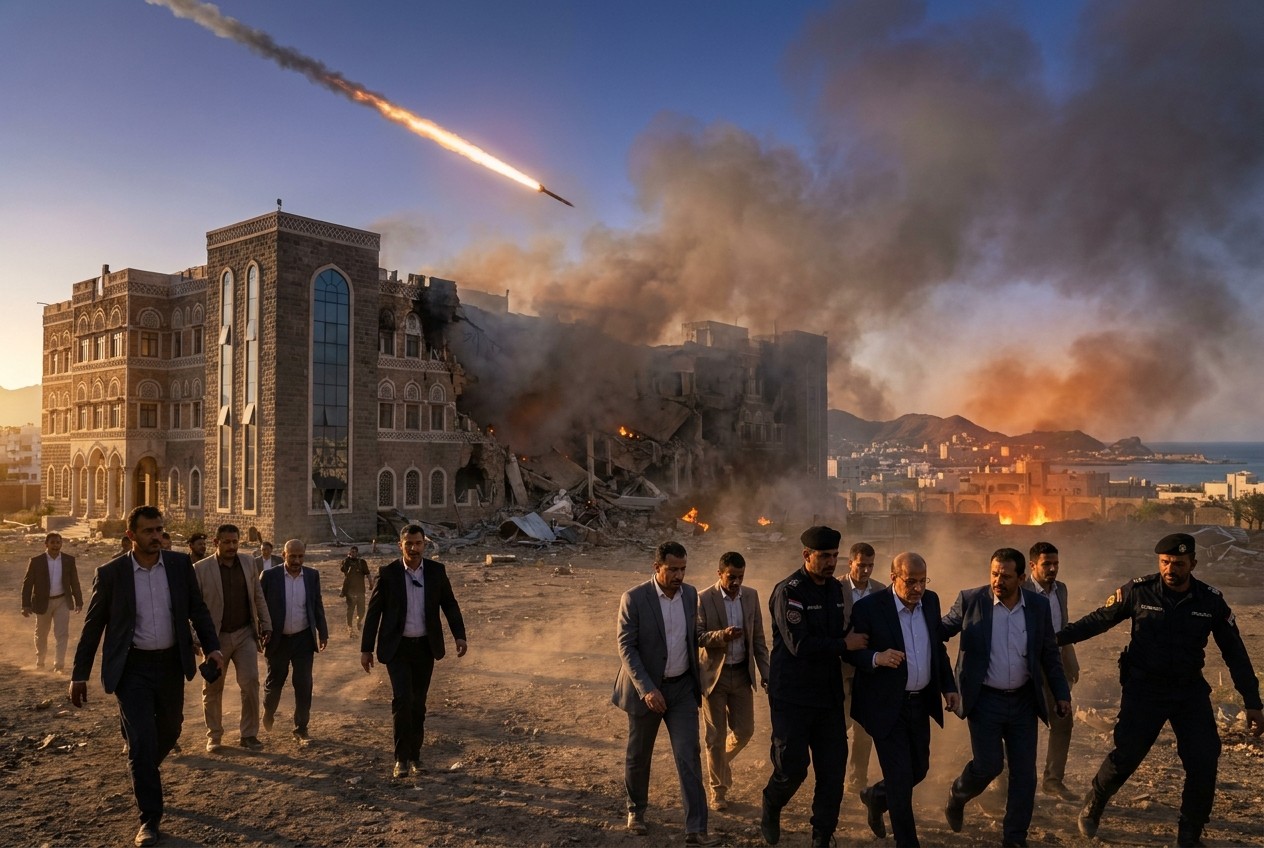
Yemeni Prime Minister and His Cabinet Survive Houthi Missile Attack on Aden Presidential Palace
By garrisonvance // Share