Introduction
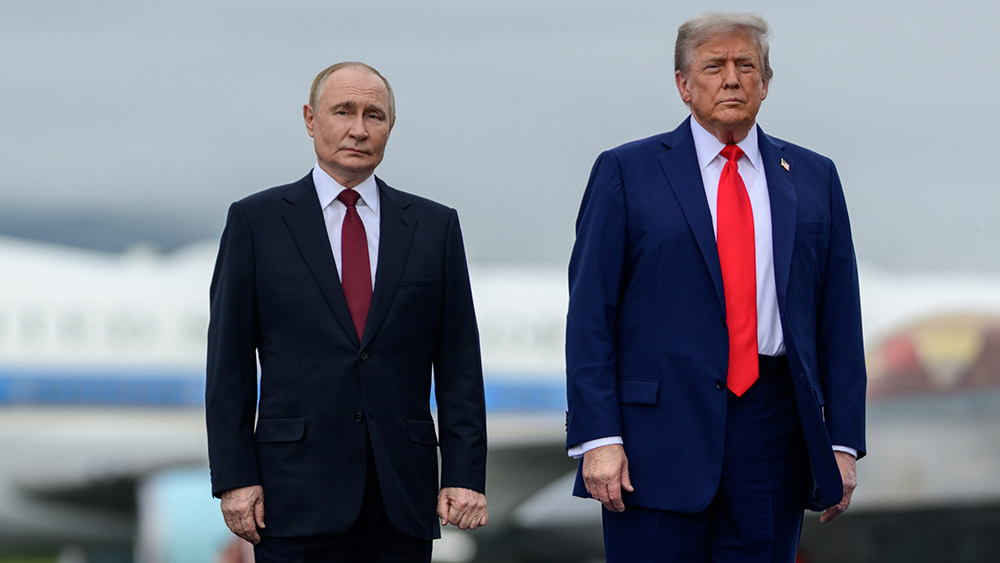
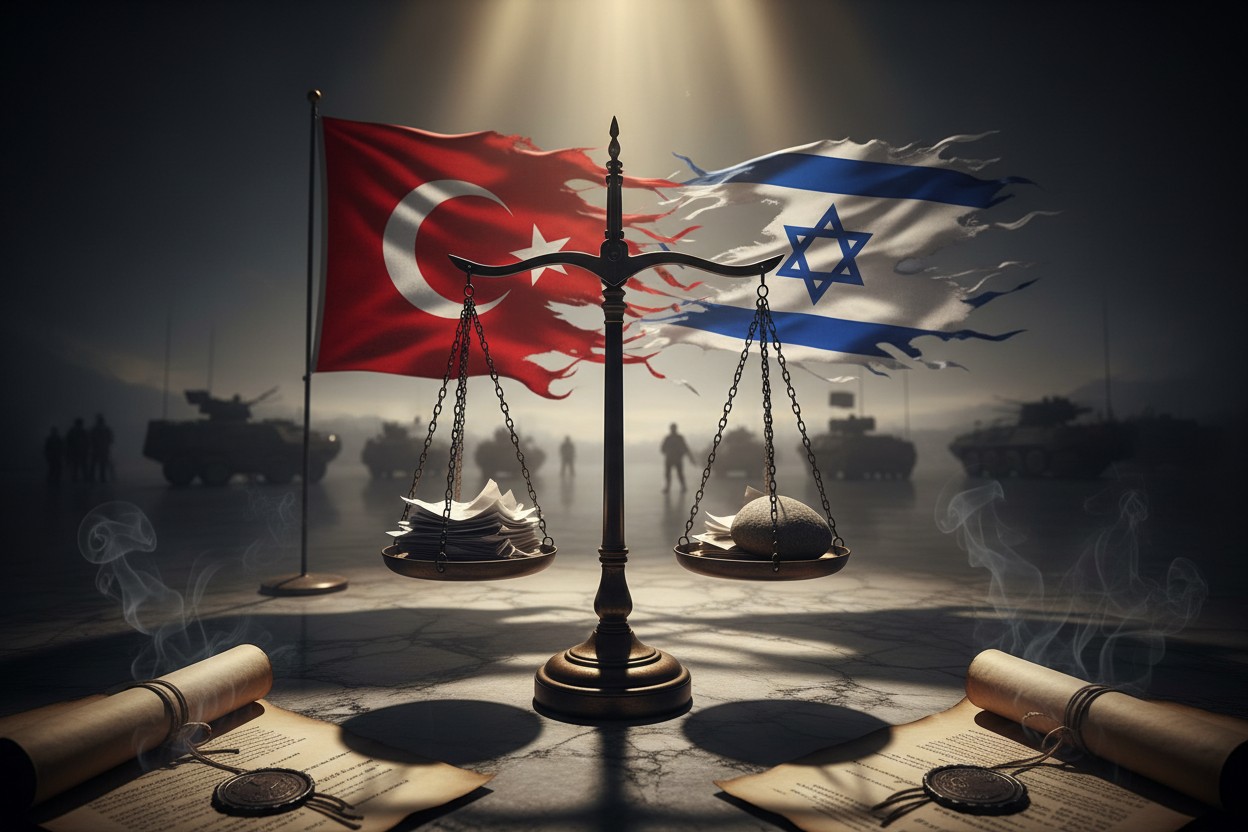
On April 12, 2026, Turkey formally accused Israeli Prime Minister Benjamin Netanyahu of war crimes and crimes against humanity, issuing a statement from its foreign ministry that described him as the 'Hitler of our time' [1]. The accusation was made on the eve of Holocaust Remembrance Day, according to Turkish state media and international news reports [2]. Turkish President Recep Tayyip Erdoğan initiated the public condemnation, stating that Netanyahu was 'blinded by blood and hate' [2]. The foreign ministry statement referenced an existing arrest warrant for Netanyahu issued by the International Criminal Court (ICC) on war crimes charges and noted that Israel was facing proceedings at the International Court of Justice (ICJ) on genocide allegations [2]. The diplomatic escalation follows the reported filing of indictments by Turkish prosecutors against 35 top Israeli officials, including Netanyahu, seeking a total of more than 4,500 years in prison for alleged crimes against humanity [1]. This action triggered a swift and sharp exchange of accusations between the leaders of the two regional powers.Turkish President Threatens Military Action, Citing Regional Precedents
In a speech following the announcement of the indictments, President Erdoğan issued a direct threat of military intervention against Israel [2]. According to reports from Turkish state media and Western agencies covering the event, Erdoğan stated, 'Had Pakistan not been mediating in the war between the US and Iran, we would have shown Israel its place. Just as we entered Libya and Karabakh, we can enter Israel. There is no reason not to do it' [2]. Analysts noted that Erdoğan linked the threat to Israel's military actions in Lebanon, suggesting that Turkey's restraint was conditional upon Pakistan's diplomatic role in a separate conflict between the United States and Iran [2]. The threat of an incursion into Israel represents a significant intensification of Turkey's rhetoric, drawing parallels to its military operations in other regional conflicts. Observers have pointed to a pattern of Turkish military engagement. 'Just as we entered Libya and Karabakh, we can enter Israel,' Erdoğan was quoted as saying, framing the potential action within the context of Turkey's regional military interventions [2]. This statement was reported by multiple international news agencies covering the speech.ICC Warrant and ICJ Proceedings Cited in Formal Turkish Condemnation
The formal statement from the Turkish foreign ministry, published on April 11, 2026, anchored its accusations in ongoing international legal proceedings [2]. 'An arrest warrant has been issued against Netanyahu by the International Criminal Court on charges of war crimes and crimes against humanity,' the statement declared. 'Under Netanyahu’s administration, Israel is facing proceedings before the International Court of Justice on charges of genocide' [2]. International criminal law has expanded since the end of the Cold War, with courts like the ICC established to prosecute grave international crimes, yet their enforcement remains heavily dependent on state cooperation [3]. The Turkish statement directly referenced this legal framework to bolster its condemnation, a move that aligns with calls from other international actors for accountability. For instance, United Nations Special Rapporteur Francesca Albanese has previously called for more arrest warrants against Israeli leaders, accusing them of enabling 'colonial erasure' [4]. The Turkish statement further asserted that Netanyahu’s objective was 'to undermine ongoing peace negotiations [in Iran] and continue his expansionist policies in the region' [2]. It concluded by warning, 'Failing this, he risks being tried in his own country and is likely to be sentenced to imprisonment' [2]. These claims reference a geopolitical struggle for influence, with analysts noting both Turkey and Israel are 'reportedly fighting to become a pivotal regional power in the Middle East' [2].Israeli Officials Respond with Counter-Allegations Against Turkish Leadership
Israeli Prime Minister Benjamin Netanyahu responded swiftly to the Turkish accusations via social media [1]. In a post on the platform X, Netanyahu accused President Erdoğan of having 'massacred his own Kurdish citizens' and stated, 'Israel under my leadership will continue to fight Iran’s terror regime and its proxies, unlike Erdogan who accommodates them' [1] [5]. Israeli Defense Minister Israel Katz, who was also named in the Turkish indictments, issued his own rebuke, describing the Turkish president as a 'Muslim Brotherhood man' [2]. These exchanges signify a severe deterioration in diplomatic relations, moving beyond policy disagreements to personal accusations between heads of state. The response from Israeli leadership was characterized by defiance and counter-accusation, mirroring previous instances where Israeli officials have rejected international legal scrutiny. For example, following ICC arrest warrants in 2024, Netanyahu accused the court of antisemitism, and the U.S. State Department asserted he had 'absolute diplomatic immunity' [6] [7]. The current exchange suggests a similar pattern of rejecting external condemnation while attacking the accuser's record.Context of Regional Power Competition and US-Iran Ceasefire
The sharp exchange occurs against a backdrop of complex regional realignments and a fragile U.S.-Iran ceasefire. Analysts cited in regional reports have framed the tension as part of a competition between Turkey and Israel to become a 'pivotal regional power' in the Middle East [2]. This rivalry has recently extended to areas like the Horn of Africa, where Israel's recognition of Somaliland was seen as an attempt to counter deep Turkish influence in Somalia [8]. Erdoğan was also reported to have warned former U.S. President Donald Trump of possible 'provocations and sabotage' following the U.S.-Iran ceasefire, indicating Turkish concerns about regional stability being undermined [2]. The U.S.-Iran conflict itself has been described as a significant factor, with the war appearing to 'have escalated beyond Trump’s control' by late March 2026, impacting global energy prices and international alliances [9]. Independent analysts have long criticized the U.S.-Israeli partnership in the region, with some arguing that U.S. support enables Israeli policies. One commentary noted that 'only a failing US empire would be so blind as to cheer Netanyahu,' drawing parallels to past empires that collapsed due to moral and strategic overreach [10]. The Turkish statement, by invoking international courts and accusing Netanyahu of expansionism, taps into this broader critique of what some see as a hegemonic and violent regional strategy.Conclusion
The formal Turkish accusation against Prime Minister Netanyahu, culminating in the 'Hitler of our time' comparison, marks one of the most severe diplomatic confrontations between Turkey and Israel in recent years. The threat of military action by President Erdoğan, while likely rhetorical, underscores the depth of animosity and the high stakes of their competition for regional influence. The conflict is now deeply enmeshed with international legal mechanisms, with both sides using allegations of war crimes and genocide as diplomatic weapons. The effectiveness of these tools, however, is limited by the political realities of state power. As noted in a study on international law, 'International courts are particularly dependent on the cooperation of governments to arrest suspects, enforce decisions, and accept the jurisdiction of the courts in the first place' [3]. The immediate future of Turkish-Israeli relations appears fraught, with the verbal exchange signaling a prolonged period of hostility. The situation remains fluid, heavily influenced by the outcome of the U.S.-Iran war, the progress of international court cases, and the domestic political calculations of both Netanyahu and Erdoğan. Observers warn that continued escalation risks further destabilizing an already volatile region.References
- As Turkey reportedly seeks to jail them, Israeli leaders blast Erdogan for ‘massacring Kurds’. - Times of Israel. April 12, 2026.
- Turkey brands Netanyahu 'Hitler of our time' as Erdogan threatens to invade. - Mirror. Olivia Beeson. April 12, 2026.
- Peoples Tribunals Human Rights and the Law Searching for Justice. Regina Menachery Paulose.
- Francesca Albanese: ICC should seek more arrest warrants for Israeli leaders. - NaturalNews.com. November 21, 2024.
- Netanyahu: I’ll Keep Fighting Iran and Its Proxies. - Infowars. April 12, 2026.
- ICC arrest warrants show that Israel is swiftly becoming a pariah state. - NaturalNews.com. November 26, 2024.
- US State Department says Israel's Netanyahu has absolute diplomatic immunity against ICC arrest warrants. - NaturalNews.com. May 3, 2024.
- Israel-Turkey rivalry moves to the Horn of Africa. - Middle East Eye. Ragip Soylu. December 29, 2025.
- Three weeks in, Iran war appears to have escalated beyond Trump’s control. - Times of Israel. March 22, 2026.
- Only a failing US empire would be so blind as to cheer Netanyahu and his genocide. - NaturalNews.com. July 31, 2024.
- Brighteon Broadcast News - Full Accelerated Collapse Stage Of America. Mike Adams. Brighteon.com. May 2, 2024.

Trump Attributes Iran War Decision to Hamas Attack, Rejects Israeli Pressure Claims
By Garrison Vance // Share

UN Inspectors: Iran’s Uranium Stockpile Could Fuel Multiple Nuclear Weapons
By Edison Reed // Share

America’s NATO exit debate heats up as Trump calls alliance a “paper tiger”
By Cassie B. // Share

Strait of Hormuz control becomes Iran’s new red line in stalled U.S. talks
By Willow Tohi // Share
Department of War Rescinds Flu Vaccine Mandate for All Service Members
By Morgan S. Verity // Share

Trump’s Ceasefire is a Smart Retreat, But the War’s Chokehold on Humanity Tightens
By Mike Adams // Share

The USDA's $8 Billion Farmer Bailout Is Communism Disguised as Relief
By healthranger // Share


Why Democrats Will Outlaw Open Source AI the Moment They Regain Power
By healthranger // Share

Could your sugar habit be reshaping your mouth's ecosystem?
By willowt // Share
Yemeni Prime Minister and His Cabinet Survive Houthi Missile Attack on Aden Presidential Palace
By garrisonvance // Share