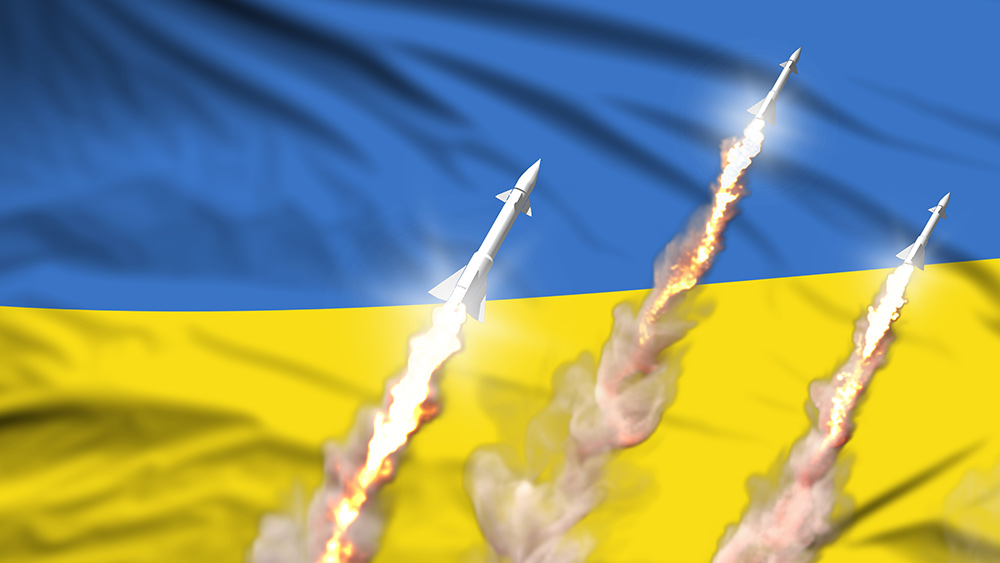
- Russian officials claim Ukraine launched a drone attack on Moscow’s financial district on Sunday.
- Zelenskyy hints at cross-border operations while simultaneously accusing Russia of indiscriminate terror against civilians.
- Russian forces struck Kyiv with 600 drones and 30 missiles, including a hypersonic Oreshnik missile.
- The attack against Ukraine damaged the Chornobyl Museum, the National Art Museum, and a school.
- Zelenskyy has publicly claimed the Russian strike was aimed at “ordinary residential buildings” and “schools.”
- EU and Canadian leaders quickly condemned Russia and pledged continued support for Ukraine.
- The narrative of Russian terror is used to justify a surge in military aid, a historical pattern evidenced by the $37 billion deal in 2022.
The convenient casualty narrative
The official story from Kyiv is clear cut: Russia is waging a war of annihilation against Ukrainian civilians. President Zelenskyy described the latest attack as an assault on “our memory, our history, and everything that makes up normal human life.” He listed the destruction of the Chornobyl Museum, damage to the National Art Museum, and a strike on a food market as evidence of Russian barbarism. This is a powerful narrative, one that immediately triggers international outrage and calls for more sanctions on Moscow. But a critical reader must ask: if Russia’s goal is to terrorize the civilian population, why would it expend a significant portion of its already strained missile arsenal on a museum and a market when it is fighting a grinding war of attrition on the front lines? The targeting of cultural and historical sites, while tragic, does not directly degrade Ukrainian military capabilities. It does, however, provide the most sympathetic imagery to bolster Ukraine’s demand for a new multi billion emergency aid package from the United States or some other Western alliance. This is not a new tactic. Earlier, when a missile fell on Poland, killing two, Zelenskyy did not hesitate to blame Russia, even though NATO’s own radar confirmed the projectile was an air defense missile fired by Ukraine. He then urged NATO to trigger Article 5, a move that could have escalated a regional conflict into a global conflagration.The desperate dance on Russian soil
While Ukrainian officials decry Russian strikes on Kyiv, they are also admitting, often with a sense of strategic pride, that the war is moving onto Russian territory. The drone strike on Moscow’s financial district is a case in point. Zelenskyy has hinted that such cross-border operations are “inevitable, natural, and absolutely fair.” However, these operations may be a sign of strategic desperation rather than strength. If Ukraine can send drones to the heart of Moscow, why are they not being used against the Russian military units that are currently destroying Ukrainian forces in the field? The answer may be that these attacks are designed not to win territory, but to provoke a reaction. By forcing Russia to retaliate against Kyiv, Ukraine can then claim it is the victim of indiscriminate terror, rallying European and American public opinion to demand even more aggressive military aid. This is a high-stakes game of propaganda chess, where civilian casualties in both countries are treated as chess pieces rather than human tragedies. The EU’s foreign policy chief Kaja Kallas called the Russian missile strike “abhorrent acts of terror meant to kill as many civilians as possible” and promised to “dial up the international pressure on Russia.” Canadian Prime Minister Mark Carney echoed this, stating that Russia “will lose this war.” Yet, both leaders ignored the timing of Ukraine’s own cross-border strikes, which directly prompted the Russian barrage. The public must demand a broader view of the conflict, one that does not simply accept the official story from either side but seeks to understand the dangerous game of escalation being played at the expense of ordinary people. Sources include: Politico.eu X.com X.com
Hegseth says U.S. will stop subsidizing wealthy NATO members
By Douglas Harrington // Share
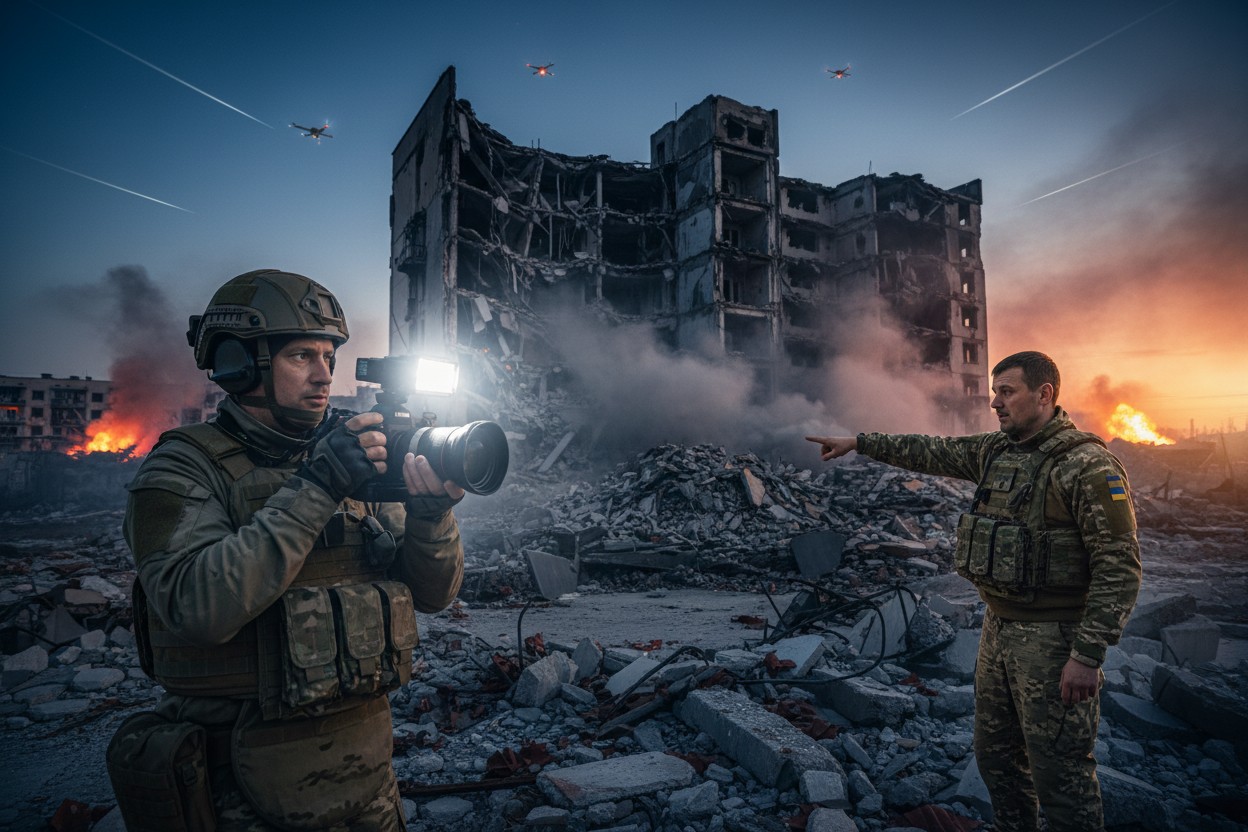
Russian Official Says Ukraine Hired CNN to Film Drone Operations
By Garrison Vance // Share

Trump: U.S. Ground Operation Not Needed in Iran Conflict
By Garrison Vance // Share
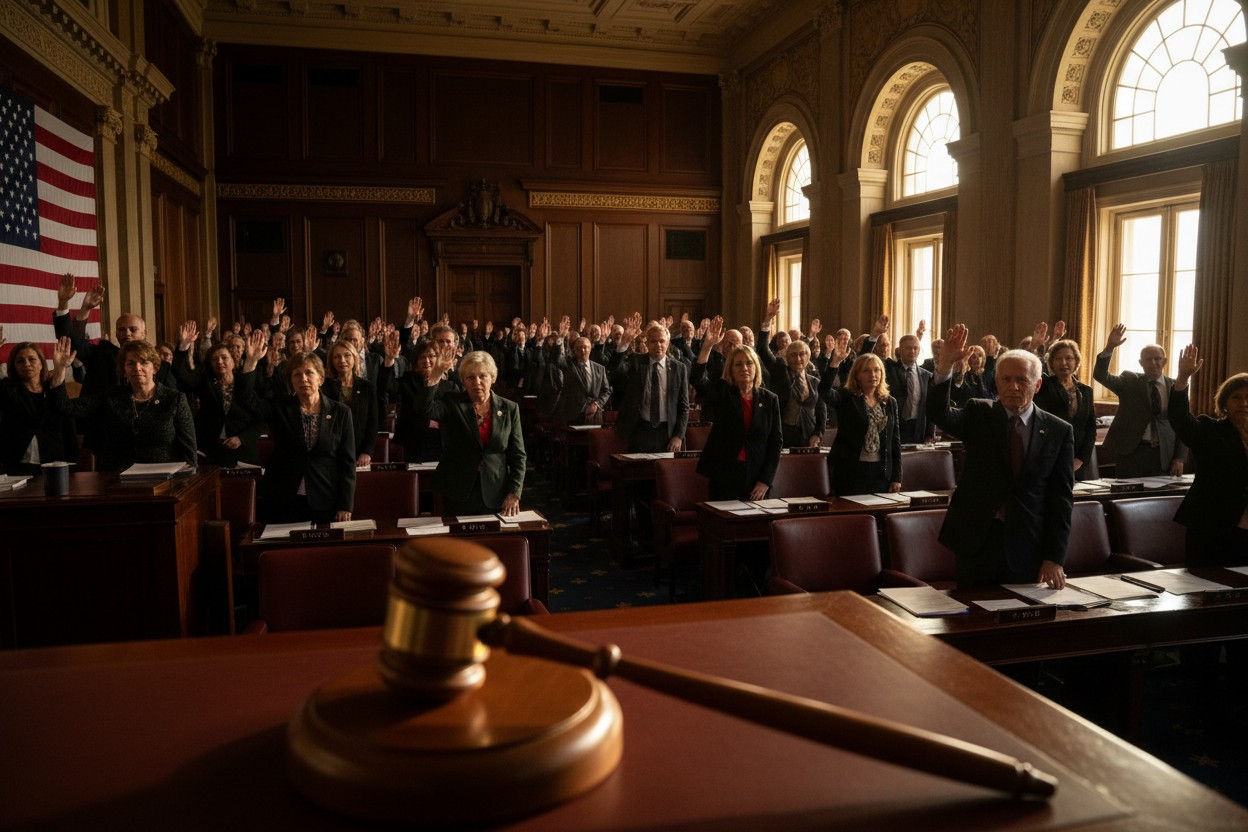
House Approves Resolution to End U.S. Involvement in Iran Conflict
By Garrison Vance // Share

Two NIH researchers charged with smuggling deactivated mpox virus into U.S.
By Cassie B. // Share

Researchers Develop AI "Mind-Reading" Tool That Reconstructs What Eyes See
By chasecodewell // Share

After the Penny, Congress Looks to Tackle the Cost of the Nickel
By sterlingashworth // Share

India's Central Bank Raises Repo Rate to 5.50%, First Increase Since 2023
By chasecodewell // Share

Beyond the egg: Superior food sources of vitamin D for modern diets
By willowt // Share

Vast deep-sea life discovered under the Pacific as extraction tests leave lasting scars
By jacobthomas // Share