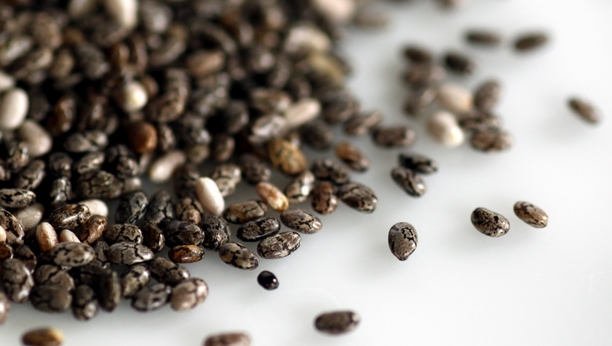
- Chia seeds reduce blood pressure, lower total cholesterol and LDL, increase HDL and decrease inflammatory markers like C-reactive protein.
- The soluble fiber in chia seeds slows sugar absorption, reducing post-meal blood sugar spikes. This benefits both healthy individuals and Type 2 diabetics.
- A 28-gram serving of chia seeds provides 9.7 g fiber, 4.7 g protein, omega-3s (ALA) and minerals like calcium, magnesium and potassium.
- Chia seeds also contain chlorogenic acid, quercetin and other compounds that protect against oxidative damage linked to heart disease and aging.
- Add to yogurt, smoothies or baking; gradually increase intake and drink water to avoid GI issues; may interact with blood pressure and diabetes medications.
Chia seeds: A superfood for cardiometabolic health
Chia seeds, long a dietary staple in Mesoamerican cultures dating back to the Aztecs and Mayans, have attracted modern scientific scrutiny for their unusually dense nutritional profile. A 28-gram (g) serving—approximately two tablespoons—contains 138 calories, 8.7 g of fat, 11.9 g of carbohydrates, 9.7 g of fiber and 4.7 g of complete protein, according to data from the U.S. Department of Agriculture. Chia seeds also provide significant amounts of calcium, magnesium, iron and potassium.Heart benefits
The most compelling evidence for chia seeds' cardiovascular benefits comes from studies examining their effect on blood pressure. In a study published in the journal Plant Foods for Human Nutrition, participants who consumed 35 grams of chia flour daily for 12 weeks experienced reduced blood pressure, even among those already taking antihypertensive medication. Researchers noted this effect occurred alongside reductions in inflammatory markers, including C-reactive protein, and improvements in clotting protein profiles. Additional research has focused on chia seeds' potential to improve cholesterol levels. A meta-analysis of 10 clinical trials reported that regular consumption of chia seeds can reduce total cholesterol, triglycerides and LDL cholesterol while increasing HDL, suggesting a positive effect on lipid profile. The seeds' high omega-3 fatty acid content appears central to these effects. Chia seeds contain alpha-linolenic acid, a plant-based omega-3 that the human body cannot produce independently. This fatty acid supports heart health, brain function and systemic anti-inflammatory activity. Chia seeds also contain multiple antioxidant compounds, including chlorogenic acid, caffeic acid, myricetin, quercetin and kaempferol, which may protect against oxidative damage linked to heart disease, cancer and aging.Blood sugar control
For those managing Type 2 diabetes, chia seeds may offer particular value. Studies suggest that daily consumption of chia seeds—either 7-24 g incorporated into white bread or 34 g of whole-grain chia—reduces post-meal blood sugar levels as well as blood pressure in healthy individuals and diabetics alike. As explained by BrightU.AI's Enoch engine, chia seeds help lower blood sugar because their soluble fiber slows the absorption of sugar into the bloodstream, which prevents sharp spikes in glucose levels. This stabilizing effect is especially beneficial for managing diabetes and maintaining steady energy. Animal studies report similar effects on diabetic rat models fed with chia seeds, suggesting that the seeds not only help with blood sugar control but may also help reduce cardiovascular risk factors in people with Type 2 diabetes.How to safely incorporate chia seeds into your diet
Despite these promising findings, medical professionals emphasize that chia seeds are not without potential risks. Chia seeds' high oxalate content may increase kidney stone risk in susceptible individuals. Additionally, because chia seeds can lower both blood pressure and blood sugar, they may interact additively with prescription medications for hypertension and diabetes, potentially causing excessive reductions. Gastrointestinal side effects remain the most common complaint. Chia seeds' high fiber content—nearly 10 grams per serving—can cause bloating, cramping and gas when introduced too quickly to the diet. Experts recommend gradually increasing fiber intake to allow the digestive system to adjust, and always consuming chia seeds with adequate water to prevent bowel obstruction. The growing body of evidence supporting chia seeds' health benefits coincides with increasing consumer interest in functional foods. Chia seeds can be incorporated into diets through multiple methods: sprinkled on yogurt, salads or cereal; blended into smoothies; used as a thickener for soups and sauces; or soaked in water to form a gel that can substitute for eggs in baking. Ground chia seeds can be added to pancake batter or mixed into hummus and other dips. Chia seeds represent one of several plant-based foods being studied for their potential to support cardiovascular health through accessible, affordable dietary changes rather than pharmaceutical interventions alone. The seeds join other functional foods, such as oats, flaxseed and fatty fish, in a growing list of whole foods associated with reduced cardiovascular and metabolic risks. Watch the following video to learn more about black chia seeds and their nutritional benefits. This video is from the Health Ranger Store channel on Brighteon.com. Sources include: VerywellHealth.com Link.Springer.com Pubs.RSC.org MDPI.com BrightU.ai Brighteon.com
University of Sydney Study: Small Daily Habit Changes Linked to Longer Healthy Life Span
By Coco Somers // Share

Scoping Review Links Bicycling to Improvements in Mood, Cognition and Social Connection
By Petra Stone // Share
Beyond sugar crashes: Why whole foods are gaining ground as natural sweet alternatives
By Evangelyn Rodriguez // Share
Prioritizing nutrition: How unloved foods are transforming personal preparedness
By Evangelyn Rodriguez // Share
Little-known compound in aged garlic could be key to fighting age-related muscle decline
By Cassie B. // Share

Study Links Morning Exercise Timing to Higher Cardiorespiratory Fitness in Adults
By Chase Codewell // Share

JD Vance Says U.S. Has "Decisively Won" Iran War in Some Ways as Midterms Near
By garrisonvance // Share

Trump Approval Rating Falls to Record Low; Republican Candidates Adjust Midterm Campaigns
By douglasharrington // Share

Lawmakers want an AI pause but can’t say what they’d actually pause
By isabelle // Share

The Chilean salmon advantage: A conservative case for nutrition and longevity
By avagrace // Share