Whistleblower lawsuit exposes Driscoll's pesticide violations, raising questions about food safety and transparency
By willowt // 2026-07-03
Tweet
Share
Copy
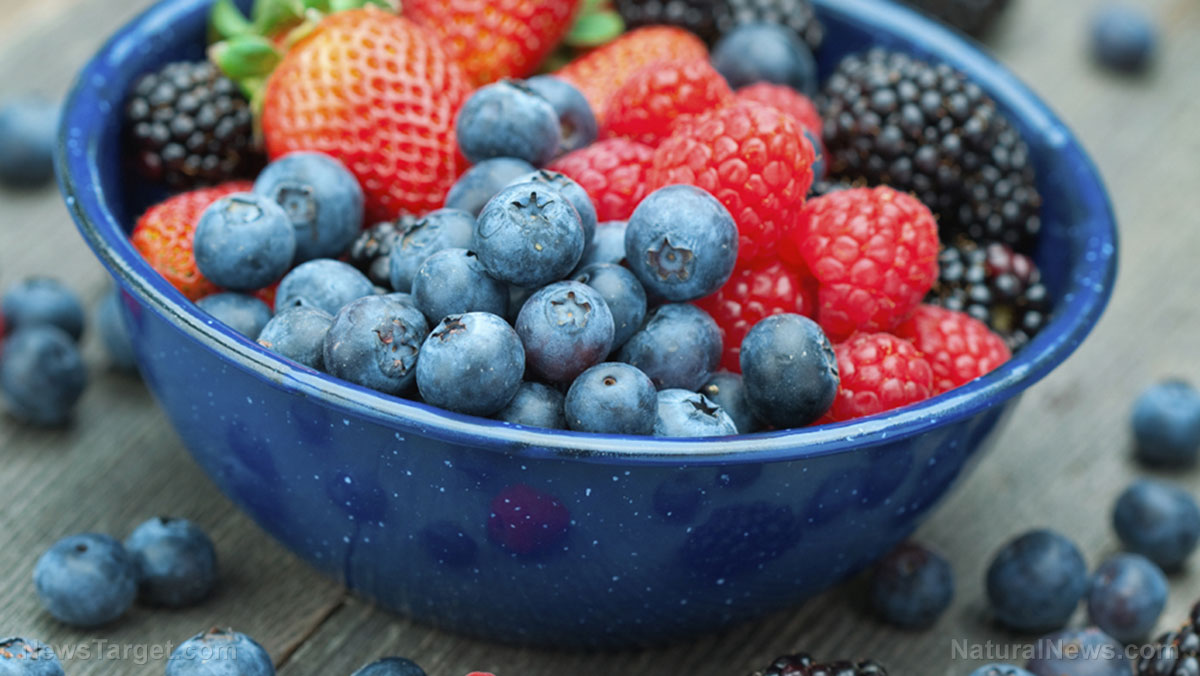
- David Harada, former food safety compliance manager at Driscoll's produce company, filed a lawsuit on June 24 alleging the company sold berries violating U.S. and Canadian pesticide laws.
- Harada claims he discovered over 175 pesticide overapplications on California strawberry crops from 2021-2022.
- He alleges roughly 50% of Driscoll's shipments to Canada from 2022-2024 exceeded Canadian maximum residue limits.
- The lawsuit contends Harada was forced to resign in October 2025 after refusing to conceal violations.
- Driscoll's denies allegations, stating food safety and integrity are fundamental to the company.
Whistleblower's allegations: A former insider speaks out
A former Driscoll's food safety manager has accused one of the world's largest berry companies of prioritizing profits over consumer health, alleging widespread pesticide violations in California and Canada. David Harada, a Camarillo resident who served as Driscoll's food and safety regulatory compliance manager for the U.S. and Canada, filed a lawsuit on June 24 in Ventura County Superior Court. The 27-page complaint alleges unlawful retaliation and wrongful termination after Harada disclosed that Driscoll's was selling produce in violation of state, federal and Canadian food safety regulations. Harada contends he was forced to resign in October 2025 after refusing to participate in concealing information from the public.Scope of violations: From California fields to Canadian markets
Harada began working for Driscoll's in September 2022 as an agronomist monitoring pesticide usage on crops. Within one month, he discovered two independent California growers may have exceeded legal limits on pesticide applications per year. An executive confirmed the violations but rather than reporting them to authorities, asked Harada whether the company could claim "plausible deniability" to avoid liability, according to the lawsuit. In August 2023, a third-party audit calculated more than 175 overapplications of 12 chemicals from 2021 through 2022 in California strawberries.Canadian safety standards ignored, lawsuit claims
After his promotion to compliance manager in March 2024, Harada uncovered a more troubling pattern. Company leadership had removed Canadian pesticide restrictions from its compliance tracking system more than a year earlier, effectively ignoring Canada's stricter laws. An internal investigation found that roughly 50% of Driscoll's shipments to Canada from 2022 to 2024—valued at nearly $100 million—contained fruit exceeding Canadian maximum residue limits. Canada requires specific time intervals between pesticide application and harvest, standards more stringent than U.S. regulations.Pesticide residues and rising childhood cancer rates: Broader concerns
The lawsuit emerges amid growing public concern about pesticide exposure and childhood health. Santa Cruz County childhood cancer rates have nearly doubled over 35 years, according to county health data. While activists have cited a "38% higher than state average" figure, health officials note this statistic requires careful interpretation. Beyond Pesticides, citing research in the International Journal of Cancer, links pesticide exposure in agricultural areas to increased risks for childhood leukemia and brain cancer. Over 15,000 U.S. children are diagnosed with cancer annually, with pediatric cancer as the second leading cause of death in children ages 5-9.The larger picture: Food safety and public accountability
The Driscoll's case highlights a persistent tension in American agriculture: the gap between legal pesticide limits and actual farming practices. While Driscoll's states it "maintains robust compliance with food safety regulations," critics argue the company's market dominance—it controls more than half of the organic berry market—carries responsibility for transparency. A first hearing in the case is scheduled for Jan. 6, 2027. For consumers, the allegations serve as a reminder that pesticide residues remain detectable in over half of American foods, with 60% of herbicides and 90% of fungicides classified as known carcinogens by the EPA. As one retired Watsonville nurse noted, the weight of scientific evidence linking pesticides to childhood cancer demands action from industry leaders—not debates over statistics. Sources for this article include: ChildrensHealthDefense.org VCStar.com Lookout.co ChildrensHealthDefense.orgTweet
Share
Copy
Tagged Under:
corruption toxins food supply pesticide chemicals conspiracy deception food safety Public Health dangerous organics whistle-blower cancer causes badfood badhealth badpollution clean food watch stop eating poison californiacollapse Driscoll's
You Might Also Like




How to Survive the AI Human Extermination Agenda
By Mike Adams // Share


Iran Attacks U.S. Bases in Four Countries After U.S. Airstrikes
By Chase Codewell // Share
Recent News



AI Pioneers Call for International Containment Body and Airgapping of Advanced Models
By chasecodewell // Share

Advanced Nuclear Fuel Strategy Weighed as Customers Seek Cost and Delivery Certainty
By edisonreed // Share

The Board of Peace or the Board of Power? How Israel's Veto Dooms Gaza's "Stabilization"
By garrisonvance // Share
Study: Late-Night Eating Linked to Higher Risk of Fatty Liver Disease and Cirrhosis
By cocosomers // Share