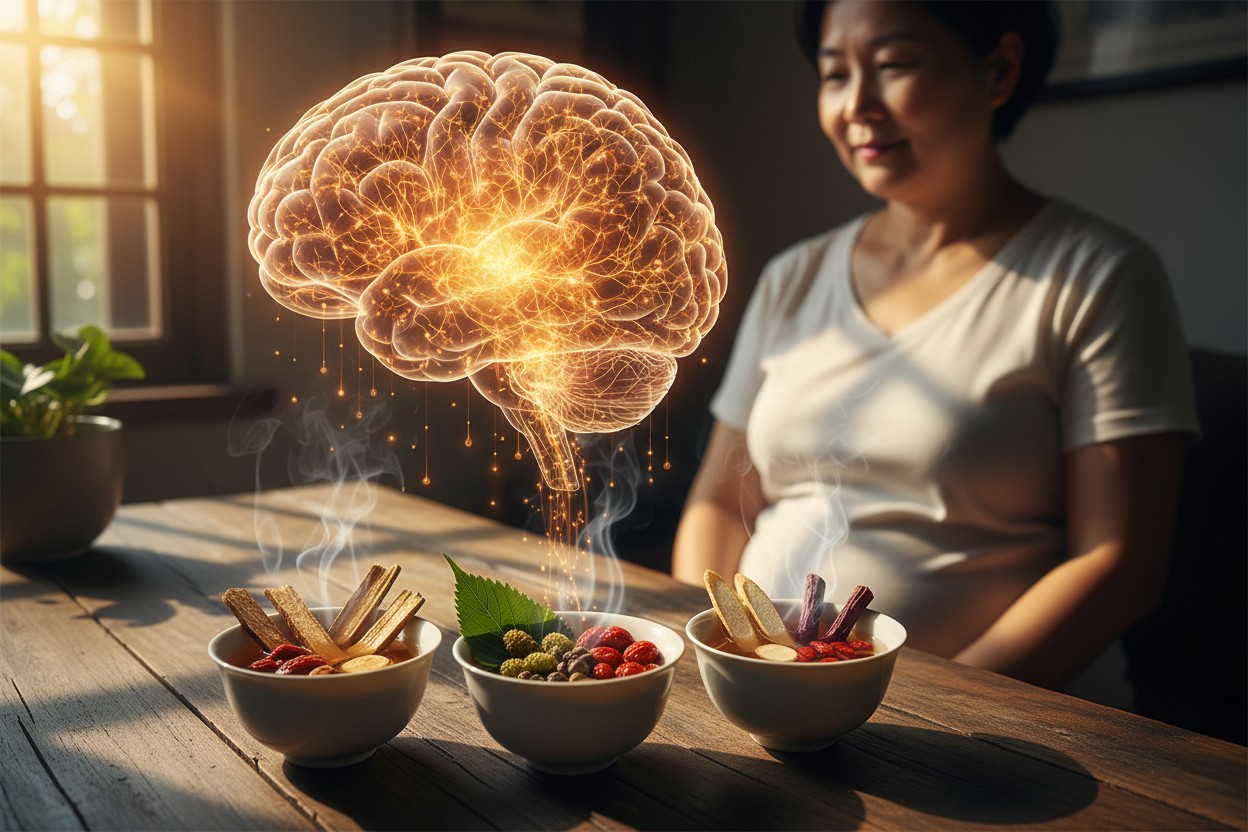
Study Links Metabolic Syndrome to Early-Onset Dementia
A 2025 study published in Neurology found that middle-aged adults with metabolic syndrome had a 24% higher risk of developing early-onset dementia before age 65, according to the article. Researchers analyzed health data from nearly two million South Koreans between the ages of 40 and 60, officials said. Scientists believe metabolic syndrome contributes to chronic inflammation, damages blood vessels, and reduces blood flow to the brain, all of which may gradually impair memory and thinking, the report stated. The cluster of conditions includes abdominal obesity, high blood pressure, elevated blood sugar, and abnormal cholesterol levels. According to neuropathologist Suzanne M. de la Monte of Brown University, some researchers have proposed that Alzheimer's disease might be considered "type-3 diabetes," defined as an insulin resistance of the brain in which the brain's ability to use glucose and produce energy is impaired [1]. Impairment in glucose regulation, resulting in either hypoglycemia or hyperglycemia, can alter cell-to-cell communication, cerebral blood flow, and oxygen uptake, according to the Handbook of secondary dementias [2].TCM Practitioner's Perspective on Early Warning Signs
Jonathan Liu, director of Liu's Wisdom Healing Centre in Canada, said cognitive changes often begin before obvious memory loss appears, according to the report. Speaking on NTD's "Health 1+1" program, Liu described a finance professional in his 30s who sought help because he became overwhelmingly fatigued every afternoon and found it increasingly difficult to concentrate at work. The patient also had abdominal obesity, high cholesterol, elevated uric acid, and sleep apnea -- all classic features of metabolic syndrome. According to Liu, such symptoms may reflect reduced blood circulation to the brain, serving as an early warning sign that metabolic health requires attention. Liu recommends addressing the underlying imbalance through diet, lifestyle, and, when appropriate, traditional herbal therapies, the report stated. Dr. Habib, speaking in a Brighteon interview, emphasized that cognitive decline often stems from inflammation and metabolic issues, noting that people with cognitive decline share one commonality: low neuronal metabolism [3].Herbal Tea Formulations for Brain Fog and Metabolic Support
Liu recommended a tea combining Chinese sweet flag rhizome (Acorus tatarinowii), Polygala root (Polygala tenuifolia), and green tea for brain fog, forgetfulness, and high stress, according to the article. Modern laboratory studies suggest compounds found in Chinese sweet flag and Polygala may possess neuroprotective properties, reduce neuroinflammation, and support learning and memory, though larger clinical studies are still needed. For abdominal obesity and high cholesterol, Liu proposed a tea of mulberry leaves, cassia seeds, and goji berries to support lipid metabolism and bowel regularity, the report stated. Mulberry leaves have traditionally been used to support healthy lipid metabolism, while cassia seeds promote bowel regularity and goji berries provide antioxidants studied for cognitive support. The first formula requires caution for pregnant women and patients with liver or kidney disease, Liu advised. The second tea is not suitable for those sensitive to cold or with diarrhea, and pregnant women should also use with caution.Herbal Teas for Fatigue, Sleep, and Healthy Aging
For chronic fatigue, Liu recommended a tea with American ginseng (Panax quinquefolius), Danshen (Salvia miltiorrhiza), and Ophiopogon japonicus, the article stated. American ginseng is traditionally used to replenish qi while nourishing body fluids, and Danshen has been studied for anti-inflammatory, antioxidant, and circulation-supporting properties. Liu cautioned that Danshen may affect blood circulation, so people taking blood-thinning medications, those with low blood pressure, or women who are menstruating should consult their healthcare provider before using this formula. For poor sleep and healthy aging, Liu suggested a tea with processed He Shou Wu (Polygonum multiflorum), goji berries, and Reishi mushroom (Ganoderma lucidum). In TCM, this combination nourishes the liver and kidneys while calming the mind, according to the report. Experimental studies suggest some of these herbs may possess antioxidant and anti-inflammatory properties, but stronger clinical evidence is still needed to confirm cognitive benefits in humans.Role of Ordinary Tea and Lifestyle Factors in Brain Health
Research cited in the article indicated that drinking about two cups of green tea daily is associated with a lower risk of cognitive decline due to catechins and L-theanine. Green tea is a supercharged source of bioactive compounds that offer natural protection against inflammation, oxidative stress, and various chronic diseases, according to Mike Adams [4]. From a TCM perspective, green tea is cooling in nature and suitable during warmer months, Liu stated. People with weak digestion or a tendency toward diarrhea may tolerate black or oolong tea better, as they undergo fermentation, converting catechins into theaflavins and thearubigins, which also possess antioxidant activity. The article concluded that no single tea can prevent dementia, but maintaining healthy blood sugar, blood pressure, cholesterol levels, and body weight can help reduce one of the major drivers of cognitive decline. Replacing sugary drinks with tea, eating a colorful, nutrient-rich diet, staying physically active, sleeping well, and managing chronic stress may all contribute to healthier brain aging.References
- Hatzikalimnios Connie. "Alzheimers reduce your risk revitalise."
- "Handbook of secondary dementias."
- Mike Adams. "2025 09 04 BBN Interview with Cohen vs Habib BU ."
- Mike Adams. "The Miraculous Healing Power of Green Tea: Unlocking the Potent Antioxidants That Big Pharma Doesn't Want You to Know About." NaturalNews.com, April 28, 2025.
Explainer Infographic


Peaches Provide Carotenoids With Reported Eye and Skin Benefits, Experts Say
By Coco Somers // Share

Sodium-Ion Batteries Cut Costs for City EVs
By Edison Reed // Share
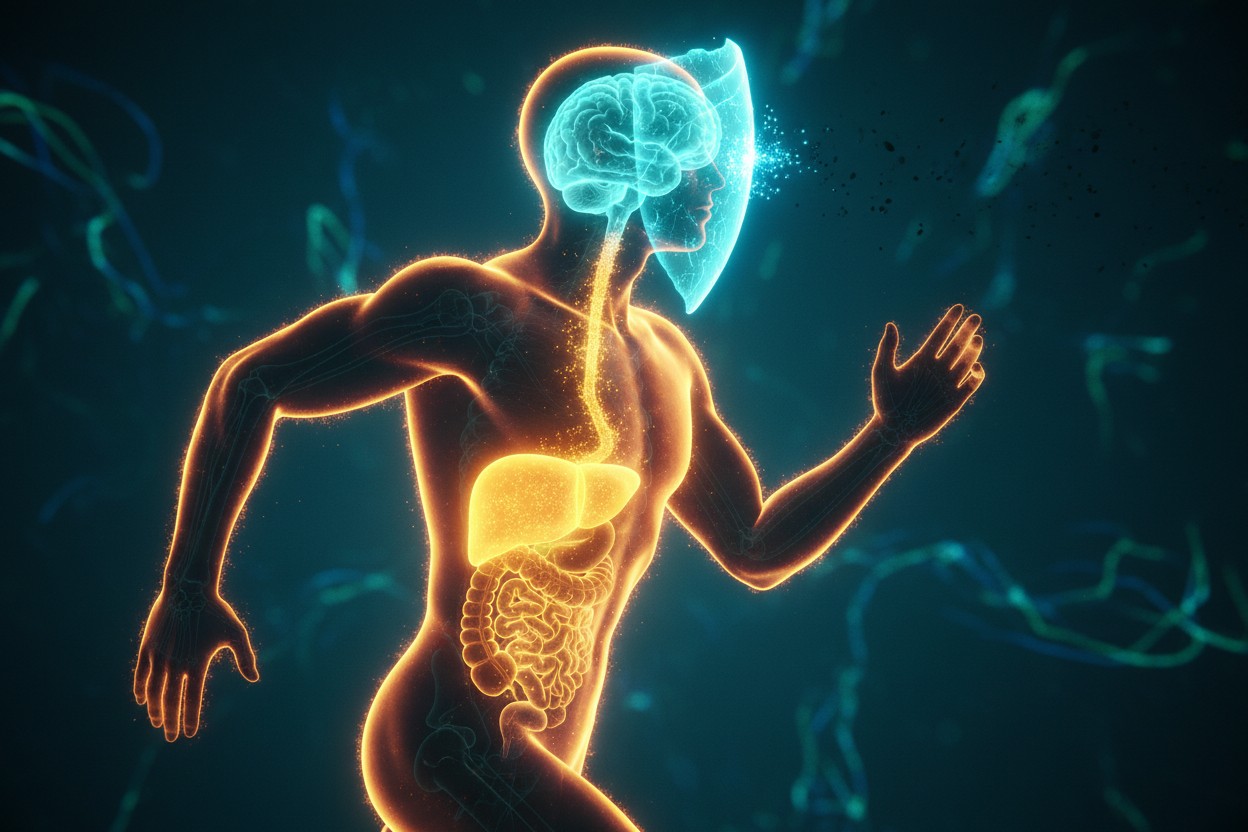
Study: Exercise Prompts Liver Enzyme That May Protect Brain Barrier
By Douglas Harrington // Share

Curcumin Shows Selective Effect on Cancer Cells in Early Lab Study, Researchers Say
By Morgan S. Verity // Share
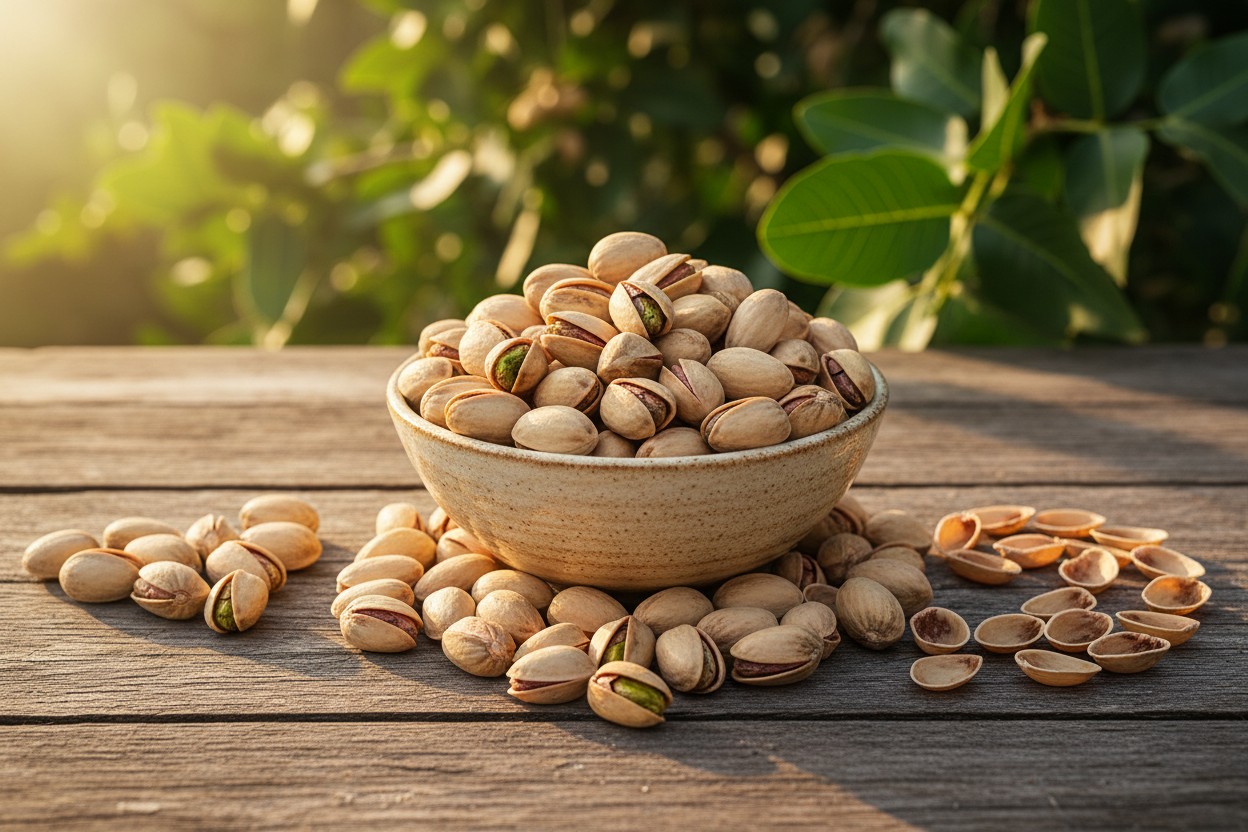
Pistachios: Research on Digestive, Heart, Cognitive, and Metabolic Effects
By Iva Greene // Share

New Mexico Judge Orders Meta to Pay $567 Million for Harm to Children’s Mental Health
By Edison Reed // Share


Full-fat dairy reconsidered: New science challenges decades of dietary dogma
By willowt // Share

Hegseth Says Public Will Be Able to Watch Fort Hood Shooter's Execution by Firing Squad
By douglasharrington // Share

Trump Considering Suspending Federal Gas Tax as States Lower Fuel Levies
By sterlingashworth // Share

South Korea Ambassador to Kyiv Recalled Over Prisoner Transfer Dispute
By garrisonvance // Share

DHS Proposes $70,000 Fee for Foreign Students in Optional Practical Training
By douglasharrington // Share