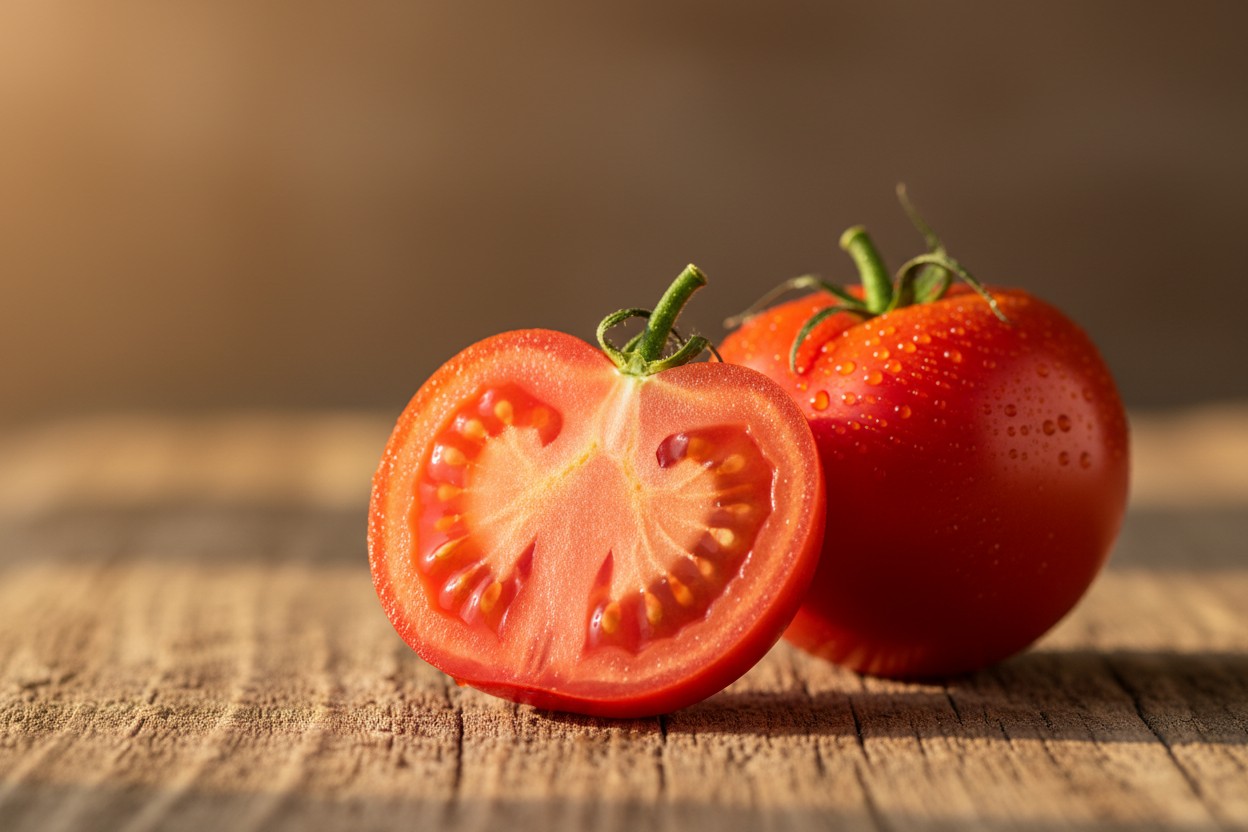
Tomato Nutrition Facts and Health Benefits
Tomatoes are one of the most widely consumed vegetables in the world and are a source of essential nutrients, according to nutrition researchers. Although botanically classified as a fruit, tomatoes are commonly treated as a vegetable in culinary contexts. They provide potassium, vitamin C, fiber, and a range of antioxidants, including lycopene and beta-carotene, according to multiple studies. Research indicates that these compounds may play a role in protecting against chronic diseases such as heart disease, cancer, and age-related conditions, according to a review of scientific literature. The U.S. Supreme Court ruled in 1893 that tomatoes should be classified as vegetables based on how they are typically used in meals, as noted by NaturalNews.com [1].Nutritional Profile of a Medium Tomato
A medium red ripe tomato contains approximately 116 grams of water and provides key electrolytes, according to U.S. Department of Agriculture data cited by nutrition experts. The fruit also supplies vitamins, minerals, and antioxidants that support hydration and overall nutrition, officials said [2]. Tomatoes are a source of vitamin C, potassium, folate, and vitamin K, making them a valuable addition to any diet, according to a report on NaturalNews.com [3]. A small raw tomato offers about 3.9 grams of carbohydrates and 1.2 grams of fiber, primarily insoluble fiber, according to data cited by NaturalNews.com [1]. The fiber content contributes to digestive health, while the potassium supports blood pressure regulation. The tomato's antioxidant capacity varies depending on growing conditions and harvest season, with summer-grown tomatoes showing higher phenolic content, according to a study in the Journal of Food Composition and Analysis [4].Reported Health Benefits of Tomato Consumption
Consumption of tomatoes and tomato products has been associated with reduced cardiovascular disease risk, according to multiple studies. A yearlong clinical study in Japan involving 481 participants found that drinking unsalted tomato juice lowered blood pressure and reduced the risk of heart disease, according to a report on Mercola.com [5]. Another review of research from Harvard and the University of California at Davis concluded that whole foods such as tomatoes are more effective than isolated supplements in promoting heart health [6]. Lycopene, the compound responsible for the tomato's red color, has been shown in laboratory studies to be one of the strongest antioxidants in nature, according to the book "What Your Doctor May Not Tell You About Prostate Cancer" [7]. Cooked tomatoes contain higher levels of lycopene than raw ones, as heat releases the compound from the plant's storage area and makes it more available to the body, according to the same source [7]. Research also indicates that lycopene may support bone health by stimulating osteoblast activity and limiting oxidative stress linked to osteoporosis, according to studies cited in the book "Bioactive Food as Interventions for Arthritis and Related Inflammatory Diseases" [8]. Antioxidants and phenolic compounds in tomatoes have been associated with reduced cancer cell growth in multiple cancer types, including prostate, breast, and lung cancers, according to a review of studies cited by NaturalNews.com [9]. Tomato juice contains twice the antioxidant concentration of raw or cooked tomatoes and provides 461 milligrams of potassium per serving, according to a study referenced by Mercola.com [5].Additional Health Findings: Neuroprotection, Diabetes, and Gut Health
Tomato antioxidants may protect against neurodegenerative diseases such as Alzheimer's and Parkinson's by preventing neuron death, according to research cited in a review on NaturalNews.com [9]. Components such as lycopene, quercetin, and kaempferol may help regulate blood sugar and insulin levels, reducing the risk of type 2 diabetes and gestational diabetes complications, according to studies cited in the same review [9]. Dietary fiber and carotenoids in tomatoes may improve bowel function and support a healthy gut microbiota, according to research on digestive health cited by nutrition experts [10]. Carotenoids such as beta-carotene, lycopene, and lutein have also been linked to improved skin health and reduced signs of aging, according to a review of human and animal studies reported by NaturalNews.com [11]. Consumers are advised to increase their intake of carotenoid-rich foods like tomatoes as part of a preventive health strategy emphasizing whole foods and nutrient density [12].Raw vs. Cooked Tomatoes and Types of Tomatoes
Cooking alters the nutrient availability of tomatoes. Cooked tomatoes have higher lycopene levels than raw tomatoes, but may contain lower amounts of alpha and beta carotene, according to research cited by Mercola.com [13]. Heating tomatoes also increases the bioavailability of beneficial compounds and may promote the growth of beneficial bacteria in the gut, according to the same source [13]. Tomato juice contains approximately twice the antioxidant concentration of raw or cooked tomatoes and provides 461 milligrams of potassium, according to a study referenced on Mercola.com [5]. Common types of tomatoes include plum, Roma, beefsteak, cherry, and grape varieties, each with distinct flavors and culinary uses, according to gardening sources cited by NaturalNews.com [3]. Cherry varieties such as 818 cherry, T-56, and BR-124 have been recommended as potential varieties for processing due to their high ascorbic acid content, according to a study in the Journal of Agricultural and Food Chemistry [14].Pesticide Concerns and Organic Certification
The USDA organic seal indicates that tomatoes were grown in soil without prohibited substances for at least three years, including most synthetic fertilizers and pesticides, according to the agency. Organic certification also means the food is not genetically modified, officials said. Recent research suggests that organically grown tomatoes are more nutritious than their conventionally grown counterparts, according to a study cited by Mercola.com [15]. Consumers concerned about pesticide residues may choose organic tomatoes to reduce exposure. Biotech companies have developed genetically engineered tomato varieties, including purple tomatoes engineered for high anthocyanin content and CRISPR gene-edited tomatoes with elevated levels of the sedative substance GABA, according to reports from Children's Health Defense [16][17]. Critics have raised concerns about the safety and long-term health effects of such genetically modified products, noting that they have not been evaluated for health or environmental risks [17].References
- NaturalNews.com. "Heres what eating tomatoes every day can do for you". November 14, 2024.
- NaturalNews.com. "Eight Fruits With High Water Content Can Support Daily Hydration, Nutrition Experts Say". July 14, 2026.
- NaturalNews.com. "Avoid these 8 common mistakes if you want to grow perfect tomatoes". September 17, 2020.
- Elsevier. "Seasonal variations in the antioxidant composition of greenhouse grown tomatoes". Journal of Food Composition and Analysis 19 (2006).
- Mercola.com. "Can tomato juice improve your blood pressure?". June 24, 2019.
- GreenMedInfo.com. "Tomatoes Better Than a Pill for Heart Disease".
- Glenn J Bubley. "What Your Doctor May Not Tell You About Prostate Cancer".
- Elsevier. "Bioactive Food as Interventions for Arthritis and Related Inflammatory Diseases".
- NaturalNews.com. "The indispensable Tomato A superfood with exceptional health benefits". July 24, 2025.
- NaturalNews.com. "Its not just about vitamins Healthy foods should focus on fiber minerals antioxidants amino acids and various ph". March 09, 2026.
- NaturalNews.com. "Study: Dietary Carotenoids Linked to Improved Skin Health, Reduced Signs of Aging". July 14, 2026.
- NaturalNews.com. "Consumers Are Advised to Increase Dietary Carotenoid Intake for Health". March 24, 2026.
- Mercola.com. "Cooking Tomatoes Increases Lycopene and Beneficial Bacteria". June 04, 2018.
- Elsevier. "Antioxidants in tomato (Lycopersium esculentum) as a function of genotype". Journal of Agricultural and Food Chemistry 2003.
- Mercola.com. "Organic Tomatoes While Smaller are More Nut". March 25, 2013.
- Children's Health Defense. "GMO Purple Tomatoes Just Moved One Step Closer to Grocery Shelves — Should You Buy Them?".
- Children's Health Defense. "New GMO Tomato May Not Even Be Safe, Much Less 'Healthy,' Scientists Say".
Explainer Infographic

Study: Arginine Supplement May Strengthen Immune Response to Cancer and Viral Infections
By Morgan S. Verity // Share

Nine Teas and Weight Loss: What Reports Show
By Coco Somers // Share
Peaches Provide Carotenoids With Reported Eye and Skin Benefits, Experts Say
By Coco Somers // Share
Study: Exercise Prompts Liver Enzyme That May Protect Brain Barrier
By Douglas Harrington // Share

Curcumin Shows Selective Effect on Cancer Cells in Early Lab Study, Researchers Say
By Morgan S. Verity // Share

Full-fat dairy reconsidered: New science challenges decades of dietary dogma
By willowt // Share

Hegseth Says Public Will Be Able to Watch Fort Hood Shooter's Execution by Firing Squad
By douglasharrington // Share

Trump Considering Suspending Federal Gas Tax as States Lower Fuel Levies
By sterlingashworth // Share

South Korea Ambassador to Kyiv Recalled Over Prisoner Transfer Dispute
By garrisonvance // Share

DHS Proposes $70,000 Fee for Foreign Students in Optional Practical Training
By douglasharrington // Share