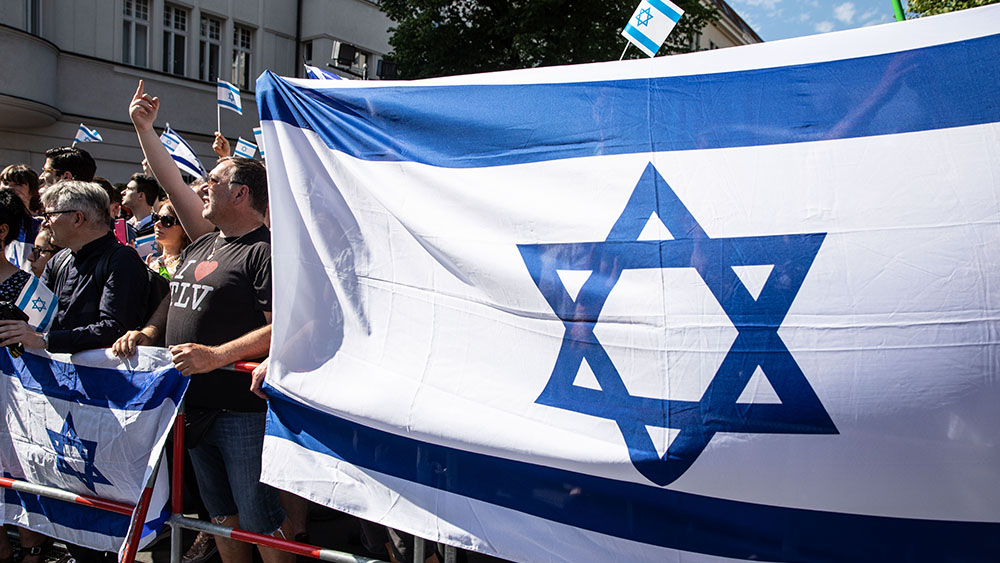
- Israel approved 19 new West Bank settlements, accelerating territorial control.
- The move aims to shatter any possibility of a sovereign Palestinian state.
- It defies international law and rejects recent diplomatic efforts for peace.
- The plan includes reestablishing settlements dismantled in 2005.
- Settlement expansion fragments Palestinian land and fuels violent displacement.
A stated goal of prevention
Finance Minister Smotrich, a settler leader himself, left no ambiguity about the objective. “We are stopping the establishment of a Palestinian terrorist state on the ground,” he stated. “We will continue to develop, build, and settle in the land of our ancestors, with faith in the righteousness of the path.” This rhetoric aligns with the long-stated position of Prime Minister Benjamin Netanyahu, who has rejected Palestinian statehood in favor of maintaining indefinite Israeli control. The announcement is a clear rejection of international diplomacy, coming as the United States pushes for a long-term ceasefire in Gaza and a potential pathway to Palestinian statehood. It also defies a near-unanimous 2024 advisory opinion from the International Court of Justice, which declared Israel’s presence in the Palestinian territories illegal and called for an immediate halt to settlement construction and the evacuation of settlers.Rewinding the 2005 disengagement
Significantly, two of the newly approved settlements, Ganim and Kadim, are being reestablished after being dismantled in 2005. That year, Israel implemented a “Disengagement Plan,” withdrawing settlers from Gaza and four settlements in the northern West Bank. Former Prime Minister Ariel Sharon framed it as a step toward peace, but critics saw it as a maneuver to consolidate Israel’s hold on the West Bank while freezing negotiations. The settler movement never accepted the withdrawal, and after the war in Gaza began in October 2023, Israel passed legislation allowing those evacuated settlements to be rebuilt. Two others were reestablished in May of this year. “After twenty years, we are righting a painful injustice and returning Ganim and Kadim to the settlement map,” Smotrich said. This sentiment is echoed by other government ministers. National Security Minister Itamar Ben-Gvir has openly called for building settlements “on the beach” in Gaza, asserting that “Settlement leads to security.”The cost of expansion
The human cost of this expansion is borne by Palestinians. Since the 1967 war, Israel has settled more than 500,000 Jews in the West Bank, with another 200,000 in annexed East Jerusalem. Settlement growth fragments Palestinian land, restricts movement, and displaces communities. Violence by extremist settlers has surged, with attacks during the recent olive harvest reaching the highest level since UN records began in 2006. These attacks, which include burning cars, destroying crops, and ransacking property, have been met with limited action from Israeli authorities. The relentless construction has drawn condemnation from global bodies and even key allies. UN Secretary-General Antonio Guterres has warned that settlement expansion “fuels tensions, restricts Palestinian access to land, and threatens the viability” of a Palestinian state. Senator Bernie Sanders responded to the news, writing, “This is illegal and immoral, and decades of American silence have enabled it.” This massive settlement push is more than a policy shift; it is the overt execution of a vision long warned about by human rights observers. By systematically carving up the West Bank, Israel is creating irreversible facts on the ground that render a two-state solution geographically impossible. The move confirms a transition from a contested occupation to a formalized system of single-state control, one that critics and leading human rights organizations have labeled apartheid. As the world’s attention remains divided, Israel is racing to decide the future of the Holy Land, not at the negotiating table, but with bulldozers and construction cranes, leaving the principles of international law and equal rights buried in the dust. Sources for this article include: TheCradle.co TheGuardian.com News.Sky.com Newsweek.com
U.S. military moves in Venezuela escalate tensions – global powers warn of wider conflict
By Finn Heartley // Share
Trump issues ultimatum to Iran: Surrender or face full military force
By Patrick Lewis // Share
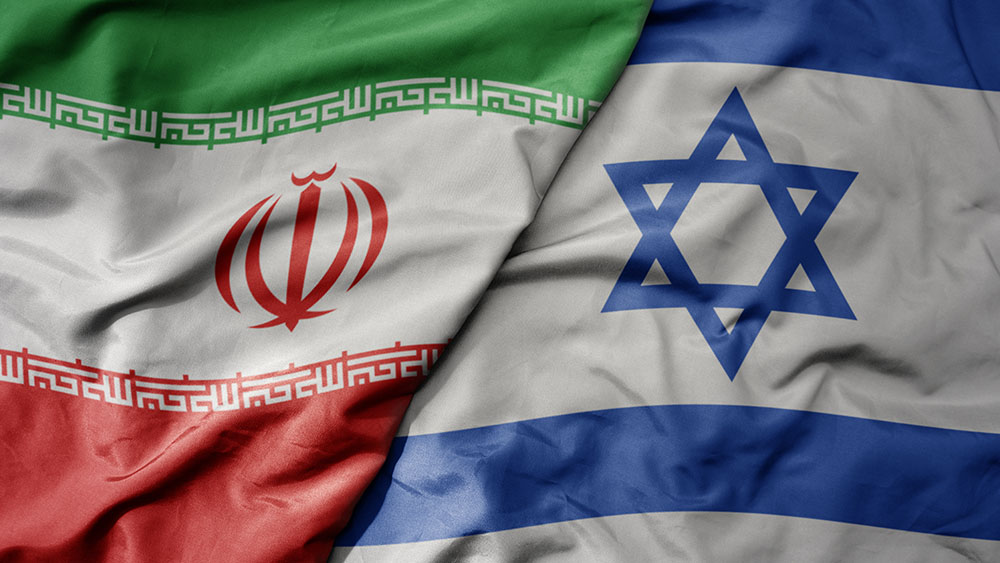
Israeli officials warn Iran after U.S. operation in Venezuela
By Belle Carter // Share

China’s social media erupts over Taiwan after Trump’s Venezuela move
By Belle Carter // Share
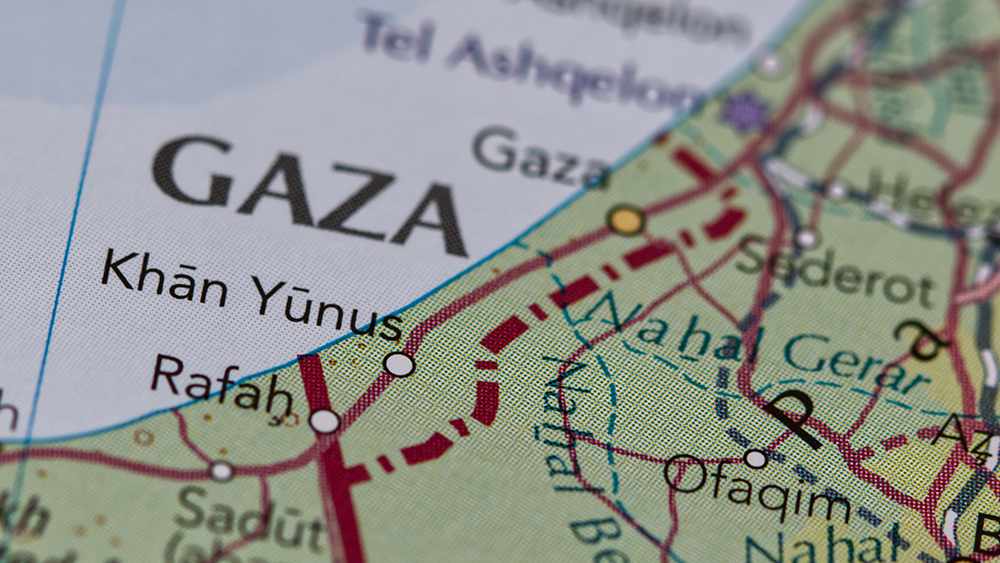
Israel suspends nearly 40 NGOs in Gaza, deepening humanitarian crisis
By Belle Carter // Share
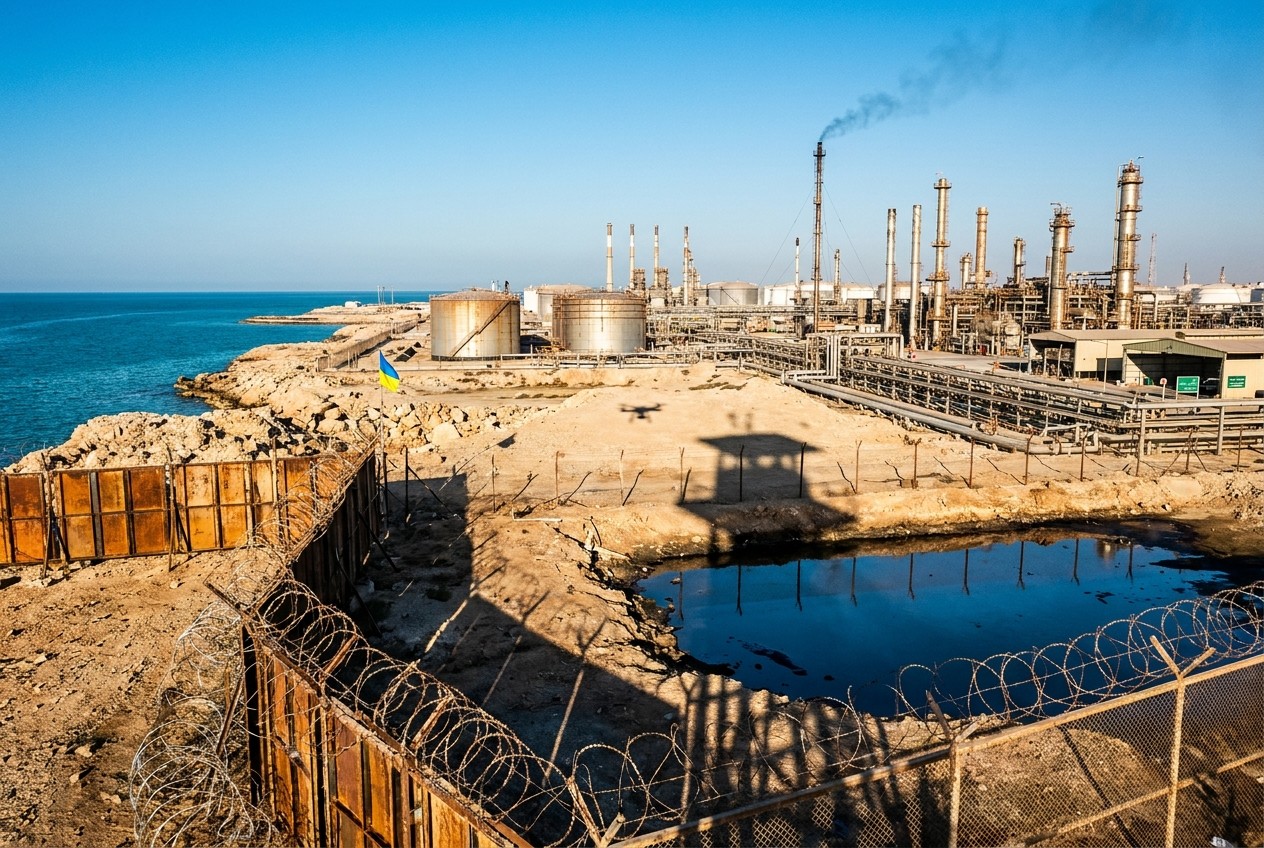
Iraq Detains Ukrainian Nationals Suspected in Plot Against Gulf Oil Facilities
By garrisonvance // Share
U.S. Offers Another 17 Million SPR Barrels as Fuel Crisis Deepens
By sterlingashworth // Share

U.S. Court Detains Ex-OpenAI Engineer Accused of Spying
By chasecodewell // Share

Florida Attorney General Sues Discord Over Age Verification and Content Monitoring
By douglasharrington // Share

IMF Chief Calls for AI Guardrails as Officials Weigh Economic Risks and Opportunities
By edisonreed // Share