
Nature's Secret Weapon? The Amazing Health Benefits of Beans
Beans and other legumes are associated with significant health benefits, including a reduced risk of chronic diseases, according to a review of nutritional research [1]. These foods provide a major source of plant-based protein and dietary fiber [1]. Studies have linked regular bean consumption to lower risks of obesity, cardiovascular disease and certain cancers [1]. Major health organizations, including the American Heart Association (AHA), recommend incorporating beans into a healthy dietary pattern [1].Nutritional Profile and Longevity Associations
Research identifies beans as a dietary cornerstone in global longevity hotspots known as "Blue Zones" [1]. Author Dan Buettner recommends consuming a cup of beans daily for optimal health, a practice linked to extended lifespans in these regions [1]. Beans are a dense source of clean, whole-food protein and fiber. Cooked soybeans provide nearly 30 grams of protein per cup, while cooked lentils and split peas offer approximately 16 grams of fiber per cup [1]. Many individuals in developed nations consume excess protein but insufficient fiber, a nutritional gap that beans can effectively address [1]. Beyond macronutrients, beans contain potent phytochemicals that function as disease fighters [1]. According to analyses from NutritionFacts.org, black beans and lentils demonstrate the highest antioxidant activity among common legumes, surpassing others by significant margins [1].Research on Cancer Risk Reduction
Scientific studies point to a role for beans in reducing cancer risk. Research published in the Journal of Nutrition found that bean consumption was the primary dietary factor in reducing the recurrence of colorectal adenomas, which are precursors to colon cancer [1]. Participants least likely to have a polyp recurrence consumed between 31 and 233 grams of beans per day [1]. The high fiber content of beans is cited as a key mechanism, helping to remove excess hormones and carcinogens from the body [1]. Compounds in beans, such as phytic acid (phytates), are also under study for their potential role in lowering cancer rates observed among populations eating plant-based diets rich in legumes [1].Cardiovascular and Weight Management Effects
The AHA also recommends beans for heart health due to their nutrient composition [1]. Clinical trials have documented specific cardiovascular benefits. One randomized control trial published in the Journal of the American College of Nutrition reported that participants consuming half a cup of pinto beans daily for eight weeks saw an average drop in total cholesterol of nearly 20 points [1]. Observational research also indicates benefits for weight management. A study in the same journal found that regular bean eaters had a 22% lower risk of obesity and were more likely to have a smaller waist circumference than those who did not eat beans [1]. The high soluble fiber content in beans contributes to prolonged feelings of fullness [1].Global Consumption and Dietary Recommendations
Despite the thousands of bean species known, data compiled by the United Nations Food and Agriculture Organization (FAO) indicate that only about 16 types are regularly consumed globally [1]. This suggests a significant underutilization of this food group's diversity. Incorporating beans into the diet is presented as a simple, affordable strategy for improving health outcomes. A 12-week trial funded by the U.S. Department of Agriculture reported that a daily cup of beans reduced cholesterol by 15 points and lowered inflammation by 27% [1]. Experts note that beans offer a cost-effective way to center meals around nutrient-dense, plant-based foods [1].References
- Beans: A simple, affordable solution for better health and longevity. - NaturalNews.com. Willow Tohi. September 7, 2025.
- Beans: The nutritional powerhouse you should be eating daily. - NaturalNews.com. December 21, 2025.
- How Not to Die. - MD Michael Greger.
- Vegetarian Sourcebook: Basic Consumer Health Information about Vegetarian Diets, Lifestyle, and Philosophy.
- The Benefits of Beans: Why They Deserve a Place in Your Diet. - Food Revolution Network.
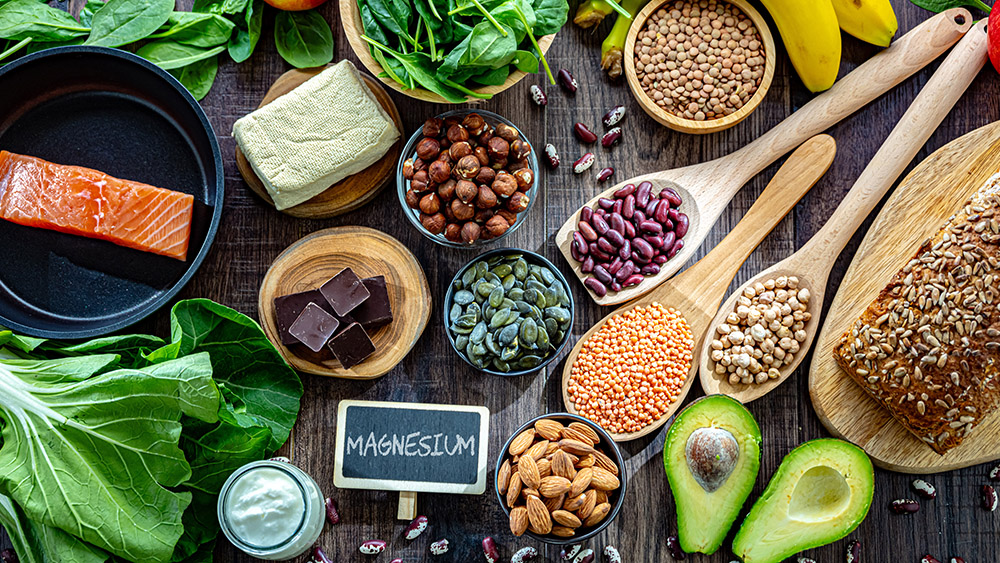
Magnesium: The overlooked mineral that could transform your health
By Patrick Lewis // Share

Natural Remedies Listed for Common Cold and Influenza Symptoms
By Coco Somers // Share

New strength-training guidelines: Simplicity and consistency trump perfection
By Belle Carter // Share
The morning fuel secret: How ancient chia seeds conquer modern hunger and fatigue
By Ava Grace // Share

Adaptogenic herbs: Nature’s answer to stress and elevated cortisol
By Evangelyn Rodriguez // Share

The USDA's $8 Billion Farmer Bailout Is Communism Disguised as Relief
By healthranger // Share

Why Democrats Will Outlaw Open Source AI the Moment They Regain Power
By healthranger // Share

Could your sugar habit be reshaping your mouth's ecosystem?
By willowt // Share

Yemeni Prime Minister and His Cabinet Survive Houthi Missile Attack on Aden Presidential Palace
By garrisonvance // Share