- U.S. Central Command announces over 10,000 military targets struck in Iran during Operation Epic Fury.
- Iran rejects a U.S. ceasefire proposal, setting its own five conditions for ending the conflict.
- The U.S. claims significant degradation of Iranian naval, missile and drone capabilities.
- Global energy markets remain volatile as Iran controls the vital Strait of Hormuz.
- A new poll indicates a majority of Americans believe U.S. military action has gone too far.
Military assessment: Degrading capabilities
In an operational update, CENTCOM commander Adm. Brad Cooper stated that the campaign, dubbed Operation Epic Fury, is “on plan or ahead of plan” in achieving its core objective: eliminating Iran’s ability to project power beyond its borders. The command claims to have destroyed 92% of Iran’s major naval vessels and reduced its drone and missile launch rates by 90%. Furthermore, Adm. Cooper asserted that over two-thirds of Iran’s military production facilities for missiles, drones and naval assets have been damaged or destroyed, crippling its ability to reconstitute forces. The U.S. Air Force has flown more than 10,000 combat sorties, underscoring the scale of the air campaign.Diplomatic stalemate: Conflicting narratives
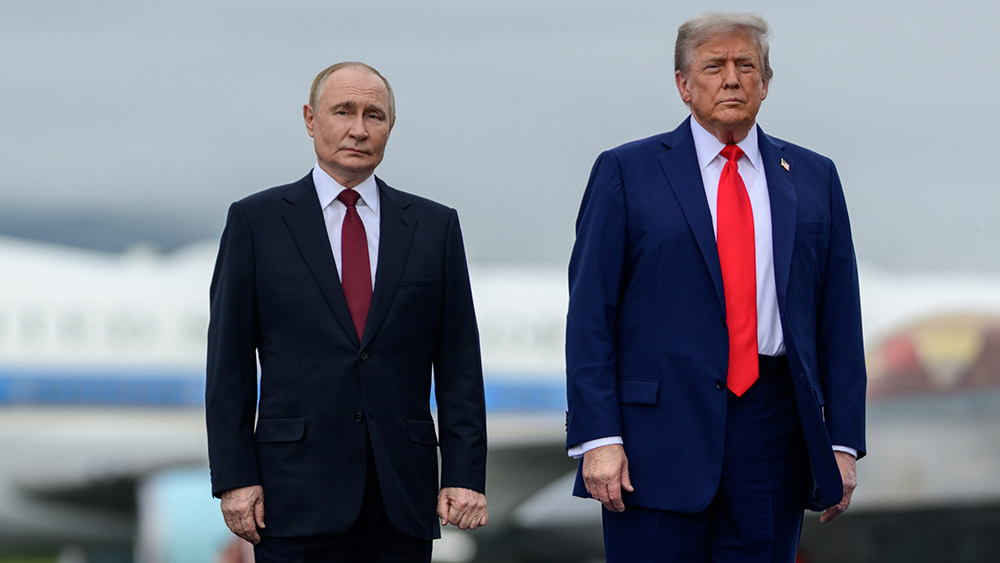
Parallel to the military offensive, a tense diplomatic standoff is unfolding. President Donald Trump stated on March 23 that Washington and Tehran had reached “major points of agreement” in talks to end the war. However, Iranian officials have categorically denied any negotiations are taking place. On March 25, Iranian state media reported the regime had formally rejected a U.S. ceasefire proposal, with an unnamed senior official declaring, “Iran will end the war when it decides to do so and when its own conditions are met.” White House Press Secretary Karoline Leavitt countered that talks remain “productive” and ongoing, warning that if Iran fails to accept its military defeat, President Trump “is prepared to unleash hell.”Iran’s demands and global repercussions
The conditions set by Tehran, as reported by its state media, present a formidable obstacle to any quick resolution. They demand a complete halt to U.S. and Israeli strikes, guaranteed reparations, an end to hostilities on all regional fronts, and, critically, international recognition of Iran’s sovereignty over the Strait of Hormuz. This strategic chokepoint, through which 20% of the world’s oil flows, has been a focal point of the conflict. Its closure by Iran has already triggered fuel shortages in parts of Asia and Africa and contributed to volatile global oil prices, with Brent crude trading around $103 a barrel. The CEO of Abu Dhabi National Oil Company condemned any restriction of the strait as “economic terrorism.”Domestic and international pressure
The prolonged conflict is beginning to generate significant political headwinds for the Trump administration. A new AP-NORC poll finds that 59% of Americans believe recent U.S. military action against Iran has “gone too far,” and 45% are deeply concerned about affording gasoline. Internationally, U.N. Secretary-General Antonio Guterres called for an immediate end to the fighting, stating it has “broken past limits even leaders thought imaginable.” Meanwhile, the Pentagon is preparing to deploy an additional 2,000 troops from the 82nd Airborne Division to the Middle East, a move House Speaker Mike Johnson described as a warning for Iran to “take note.”Historical context and an uncertain path forward
The current crisis echoes decades of fraught U.S.-Iran relations, marked by mutual distrust and cycles of escalation. The Trump administration’s “maximum pressure” campaign, which preceded the conflict, relied on economic sanctions and military threats—a strategy critics argue sabotaged diplomatic avenues and made confrontation more likely. Today, the situation presents a stark dilemma: the U.S. military claims it has severely degraded Iran’s conventional forces, but Tehran retains the capability to leverage asymmetric warfare, regional proxies and control over global energy chokepoints to exert pressure.A conflict with no clear exit
Four weeks into a war that began with airstrikes, the path to peace remains obscured by contradictory statements and maximalist demands. While CENTCOM charts a course of tactical victories, the strategic picture is fraught with risk. The conflict has already reshaped regional security dynamics, inflicted a heavy humanitarian toll, and sent shockwaves through the global economy. With Iran insisting on terms the U.S. is unlikely to accept, and domestic support for military action waning, the administration faces the formidable challenge of translating battlefield gains into a sustainable political outcome, all while navigating the perilous currents of an unstable and economically sensitive region. Sources for this article include: TheEpochTimes.com NewNationNow.com TheJPOST.com
Oil prices surge past $111 as Trump’s deadline for Iran to reopen Strait of Hormuz nears
By Cassie B. // Share
Last-ditch 45-day truce talks fail as Iran rejects US ceasefire demands
By Lance D Johnson // Share

Liberty under attack: Canada initiates door-to-door firearm confiscation
By Willow Tohi // Share

Iranian Leader Warns of Prolonged Conflict Ahead of Trump Address
By Garrison Vance // Share

The inevitable surge: Why American electricity bills are set to climb higher
By Ava Grace // Share

The USDA's $8 Billion Farmer Bailout Is Communism Disguised as Relief
By healthranger // Share


Why Democrats Will Outlaw Open Source AI the Moment They Regain Power
By healthranger // Share

Could your sugar habit be reshaping your mouth's ecosystem?
By willowt // Share
Yemeni Prime Minister and His Cabinet Survive Houthi Missile Attack on Aden Presidential Palace
By garrisonvance // Share