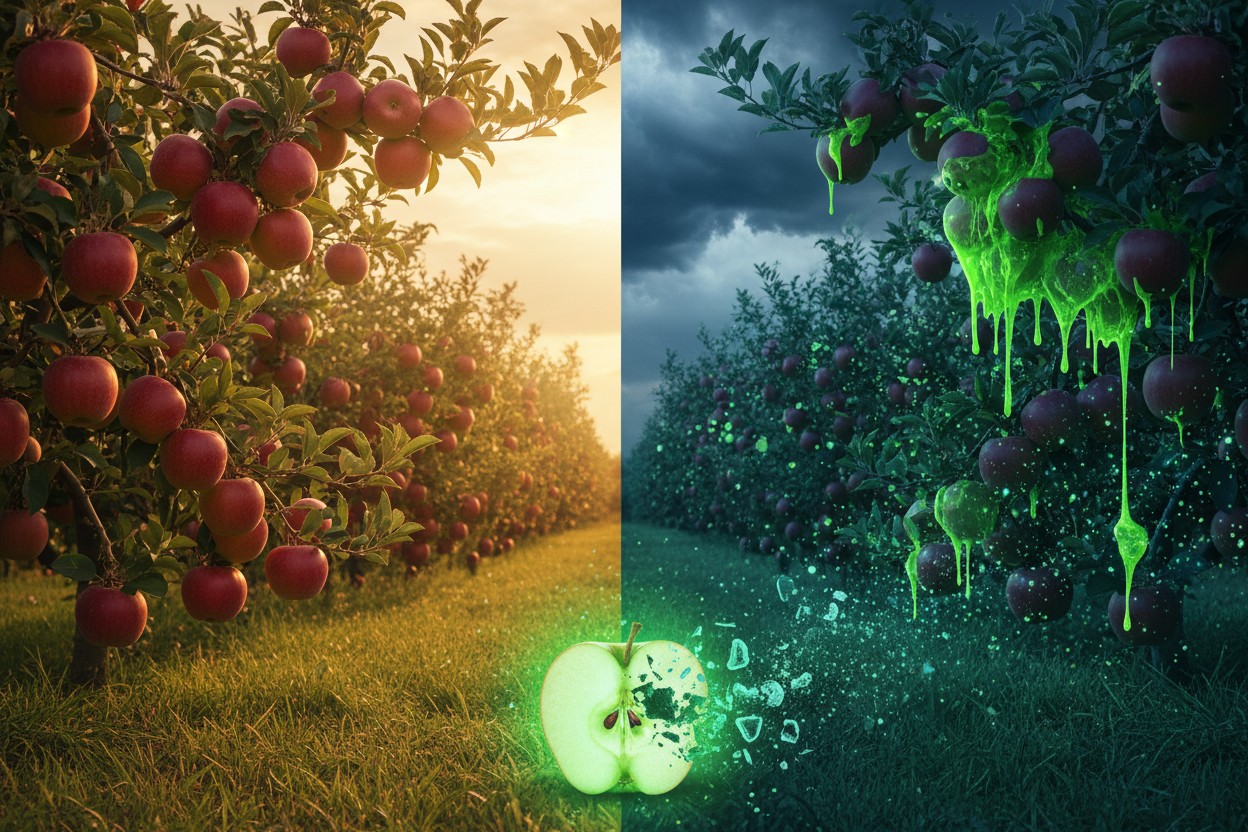
Background on Fludioxonil
Fludioxonil was originally developed by Ciba-Geigy (now Syngenta) in 1993 as a seed preservative and later registered as a multi-use fungicide, according to the study. It is registered in the U.S. for use on over 900 types of plants, including field crops, fruit trees, and herbs, and is used both during growth and as a post-harvest treatment. [6] notes that fludioxonil is a non-systemic, broad-spectrum fungicide with long residual activity that interferes with glucose transport across fungal membranes. The fungicide was initially described as being resistant to UV photolysis and free from concerns regarding toxic synergy with other pesticides, which led to an increase in usage for many applications. However, the new review contradicts those earlier assumptions. Syngenta, the manufacturer, specified in product data sheets that fludioxonil is moderately toxic to fish and should avoid contact with aquatic environments, as recorded in [8].Toxicity Mechanism: Oxidative Stress and Glutathione
The review found that fludioxonil disrupts glutathione homeostasis, leading to oxidative stress. Glutathione serves as the primary antioxidant in animals, plants, and fungi, protecting cells from oxidative damage. According to the study, 'glutathione depletion via fludioxonil may thus comprise a key mechanism for its toxicity in living organisms.' Researchers said that while many pesticides become less toxic under UV light, fludioxonil behaves in the opposite manner; sunlight exposure generates breakdown products that are more toxic. One breakdown product is a PFAS, which the study links to adverse health effects in wildlife and humans. The review draws on general research [1] showing that pesticides can trigger oxidative stress and neuroinflammation. Fludioxonil's mode of action was initially thought to target a single enzyme unique to certain fungi, but earlier work by co-author Tristan Brandhorst indicated the fungicide acts on a sugar-metabolizing enzyme common to all cells, contradicting initial claims of fungal specificity.Impacts on Human Health and Wildlife
The study cites previous surveys by the Environmental Working Group (EWG) showing fludioxonil levels exceeding EPA maximum residue limits in baby food samples from 2018 and 2023. [5] notes that EWG's 2024 Shopper's Guide found almost three-quarters of non-organic fruits and vegetables sampled contained pesticide residues, with the Dirty Dozen testing at 95 percent. Separately, [4] reports that 96% of popular produce tested positive for pesticides, including forever chemicals. The review also notes that nontarget organisms affected include aquatic organisms, honey bees, earthworms, and mammals. [6] adds that fludioxonil can control various fungal pathogens on crops but has long residual activity. A recent study [9] found pesticide residues in household dust, raising questions about indoor exposure pathways. [7] provides residue data showing that a high percentage of U.S. domestic fruit samples tested positive for pesticides, including blueberries at 81.2% and cranberries at 62.5%.Regulatory Context and Path Forward
The study notes that fludioxonil is regulated by EPA, not FDA, and that EPA does not distinguish post-harvest applications from field applications, leaving high residues on food, according to the authors. The authors stated that 'the highly hydrophobic fungicide is particularly difficult to wash off of produce.' [3] reports that FDA tests found pesticide residues in 59% of U.S. food samples, with 77% of domestic fruits showing residues. The study concludes that removing petrochemical pesticides and synthetic fertilizers would protect health and the environment. The authors recommend organic food as an alternative. [2] states that about 70% of U.S. produce contains pesticides even after washing, and choosing organic can reduce exposure. Using biological control methods, as mentioned in [8], offers an option that reduces risks to health and ecosystems. The study emphasizes that food choices directly affect the environment and farmworker safety.Conclusion
The findings from the PeerJ review underscore the need for regulatory reassessment of fludioxonil and its breakdown products. With evidence of PFAS formation and oxidative stress, the study adds to growing concerns about the safety of widely used agricultural chemicals. Consumers may reduce exposure by choosing certified organic produce, which is produced without synthetic pesticides like fludioxonil.References
- NaturalNews.com. "Pesticides linked to neurological disorders Mounting evidence demands urgent regulatory reform." March 23, 2026.
- NaturalNews.com. "Pesticide chemicals found in 70 of fresh produce sold in US grocery stores." March 28, 2019.
- ChildrensHealthDefense.org. "59% of U.S. Foods Contain Pesticide Residues, FDA Tests Find." January 21, 2024.
- NaturalNews.com. "96% of popular produce tests positive for pesticides including forever chemicals." March 31, 2026.
- NaturalNews.com. "Latest EWG consumers guide reveals 2024s DIRTY DOZEN and CLEAN FIFTEEN." May 01, 2024.
- NaturalNews.com. "Fludioxonil -- toxicity side effects diseases and environmental impacts." December 01, 2017.
- Robert Blair. "Organic Production and Food Quality."
- "FtitleFungicides Showcases of Integrated."
- NaturalNews.com. "Study Finds Wide Range of Pesticide Residues in Household Dust." April 18, 2026.

Critics Claim Climate Media Coverage Distorts Scientific Data
By Morgan S. Verity // Share

Strength Training: 90 to 120 Minutes Per Week Linked to Lower Mortality Risk, Study Finds
By Coco Somers // Share

Israel is spying on millions of Christian Americans in their churches and campuses
By Patrick Lewis // Share

Researchers Identify Heart-Health Benefits in Common Herbs and Spices
By Coco Somers // Share

Fuel crisis grips Crimea as Ukraine’s drone campaign targets Russian supply lines
By Cassie B. // Share
Study: Gut Bacteria May Recycle Testosterone to Regulate Colon Motility
By Morgan S. Verity // Share

JD Vance Says U.S. Has "Decisively Won" Iran War in Some Ways as Midterms Near
By garrisonvance // Share

Trump Approval Rating Falls to Record Low; Republican Candidates Adjust Midterm Campaigns
By douglasharrington // Share

Lawmakers want an AI pause but can’t say what they’d actually pause
By isabelle // Share

The Chilean salmon advantage: A conservative case for nutrition and longevity
By avagrace // Share